


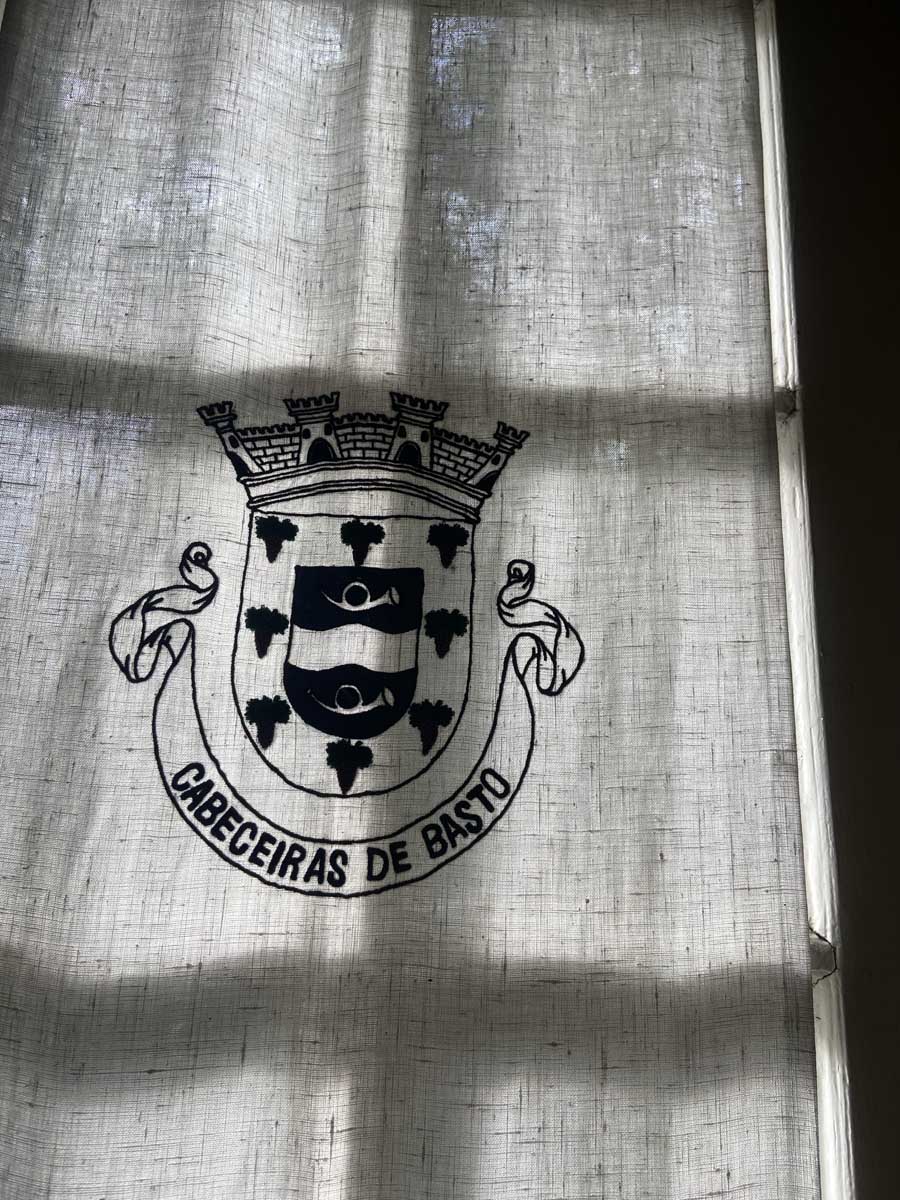
Years ago, during another Erasmus+ project, we met Headway Arts, a small association from the UK. What really impressed us was their way of working: very low production costs, visually striking events, and strong community involvement. Later on, we met the Portuguese team from Cabeceiras de Basto, who work in a very similar way. That’s when we realised this could be something special. This is how the idea for the project was born — long before we ever applied for Erasmus+ funding.
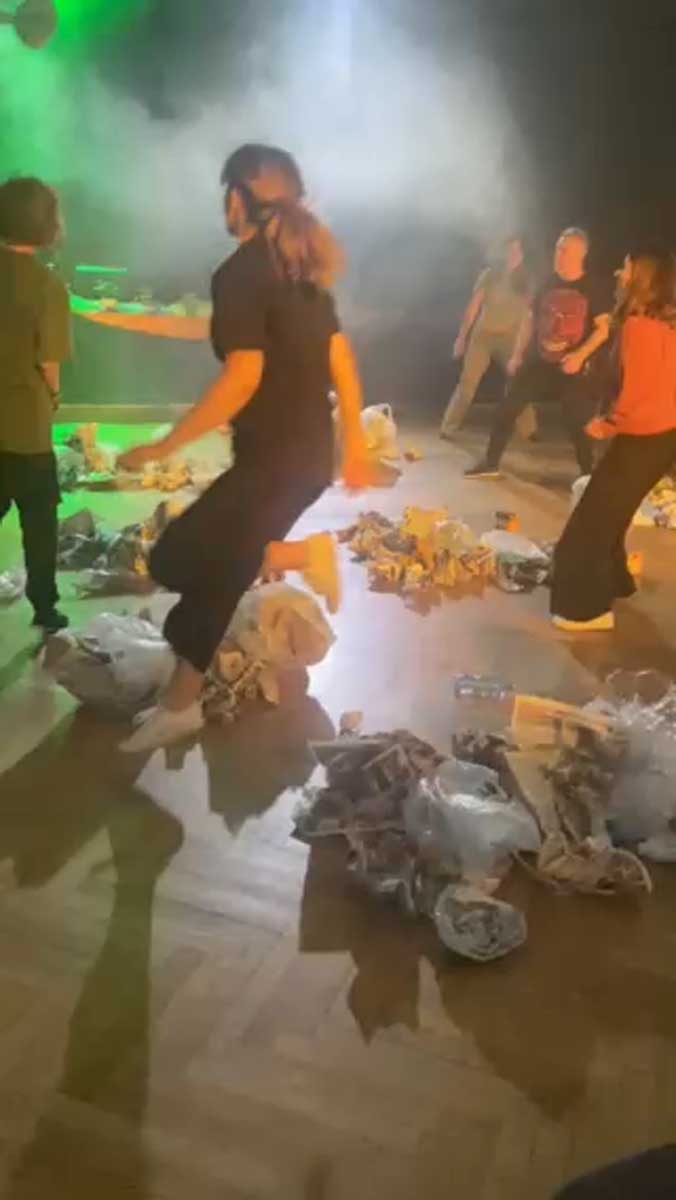
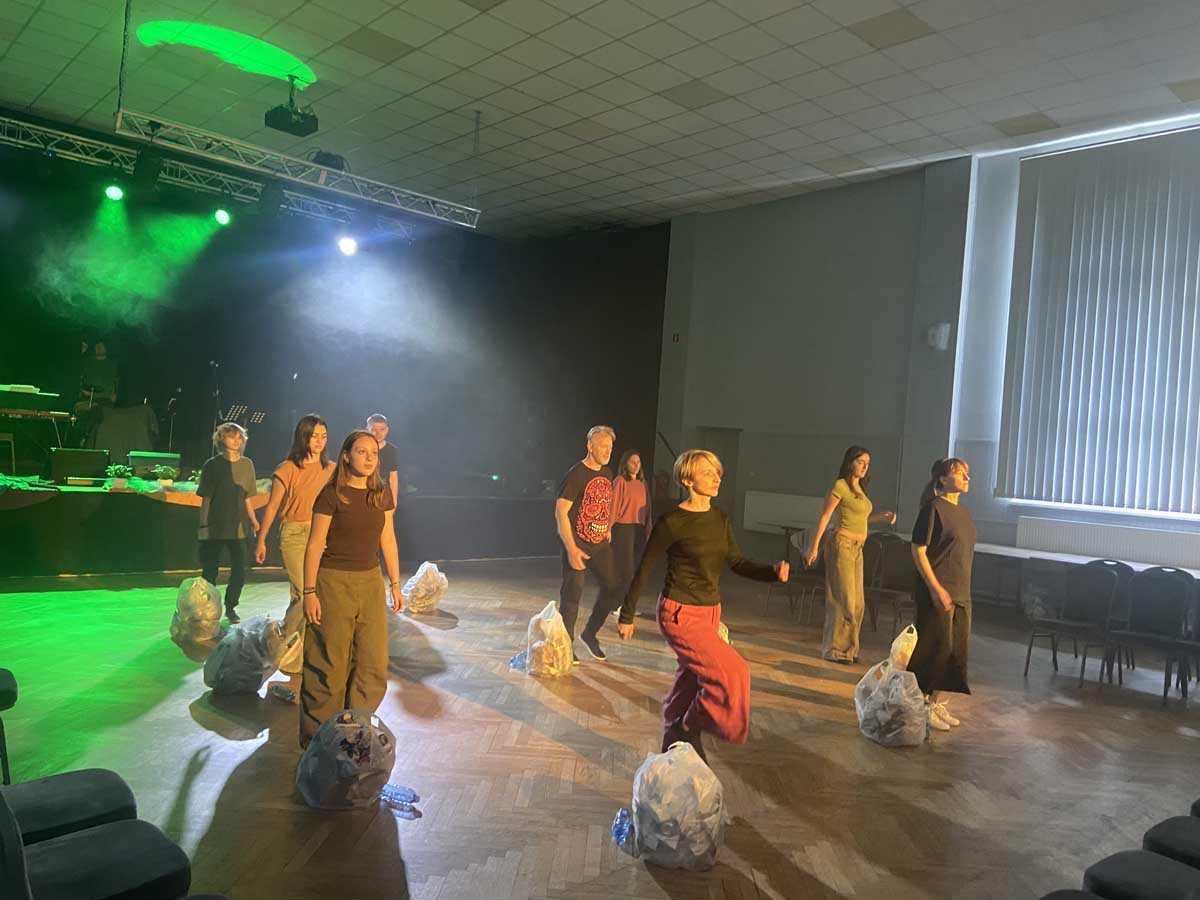
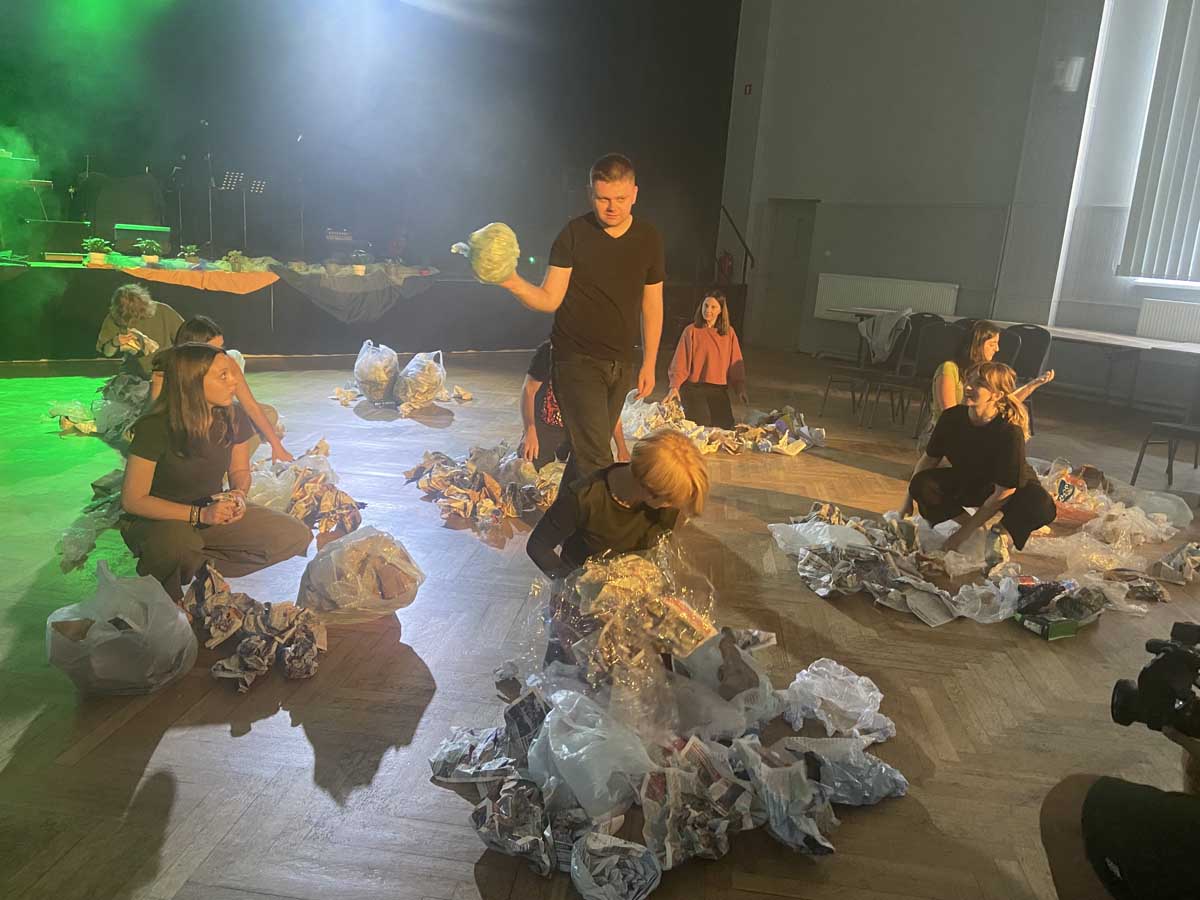
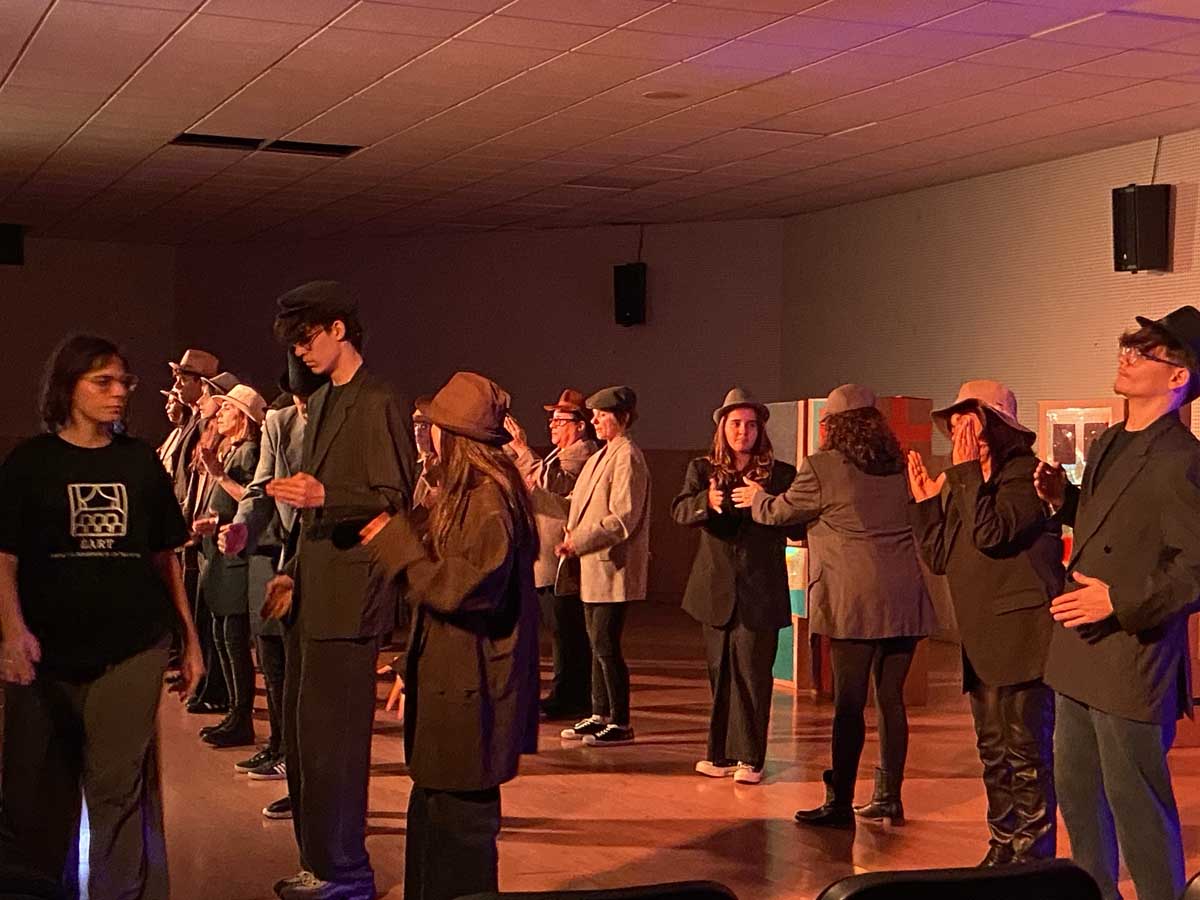
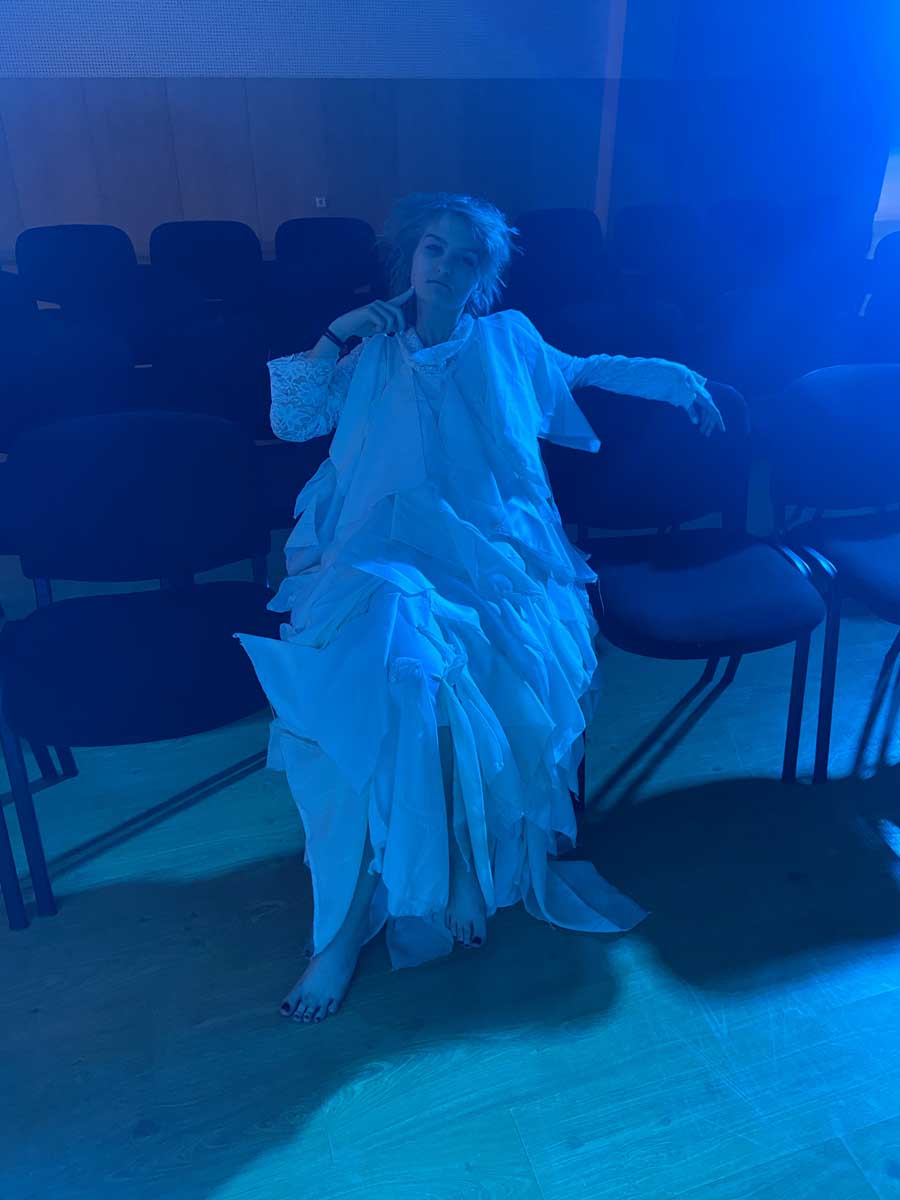
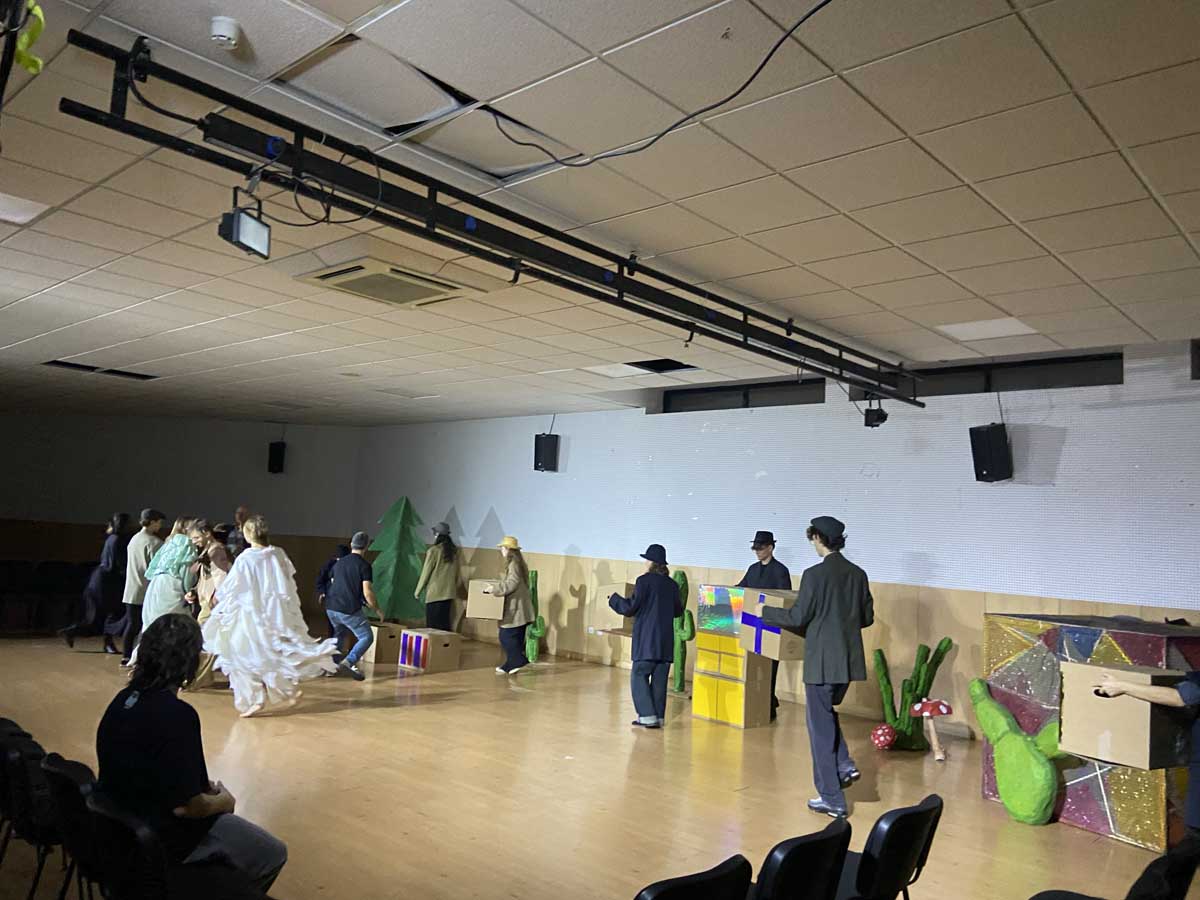
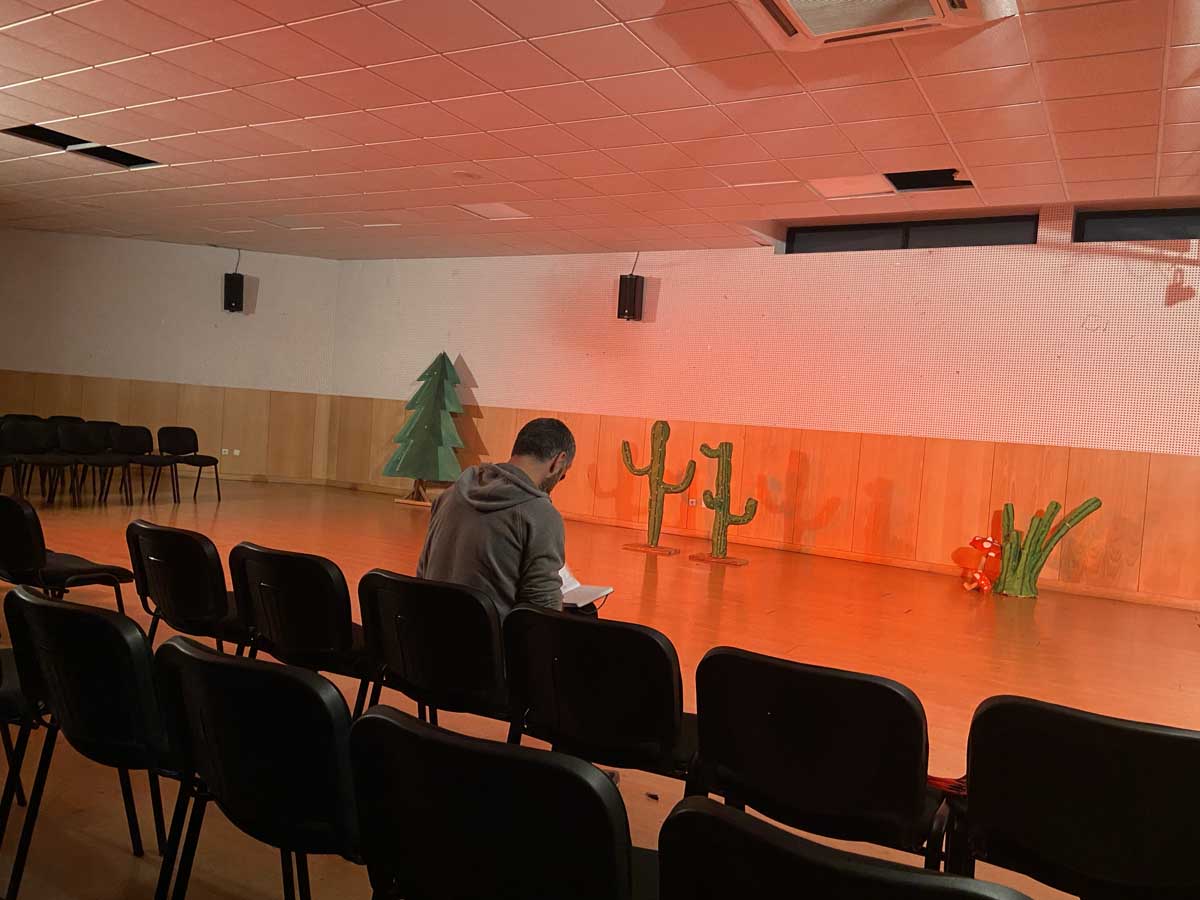
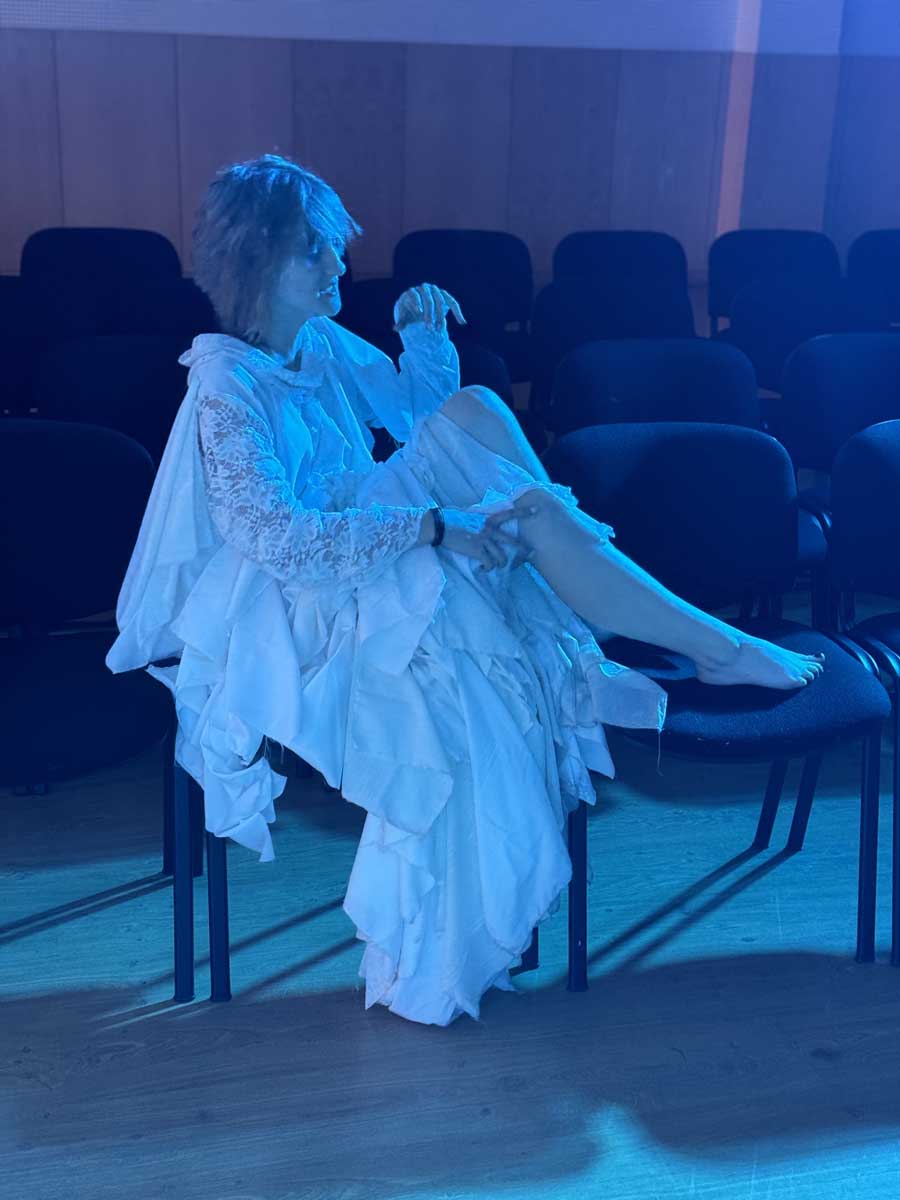
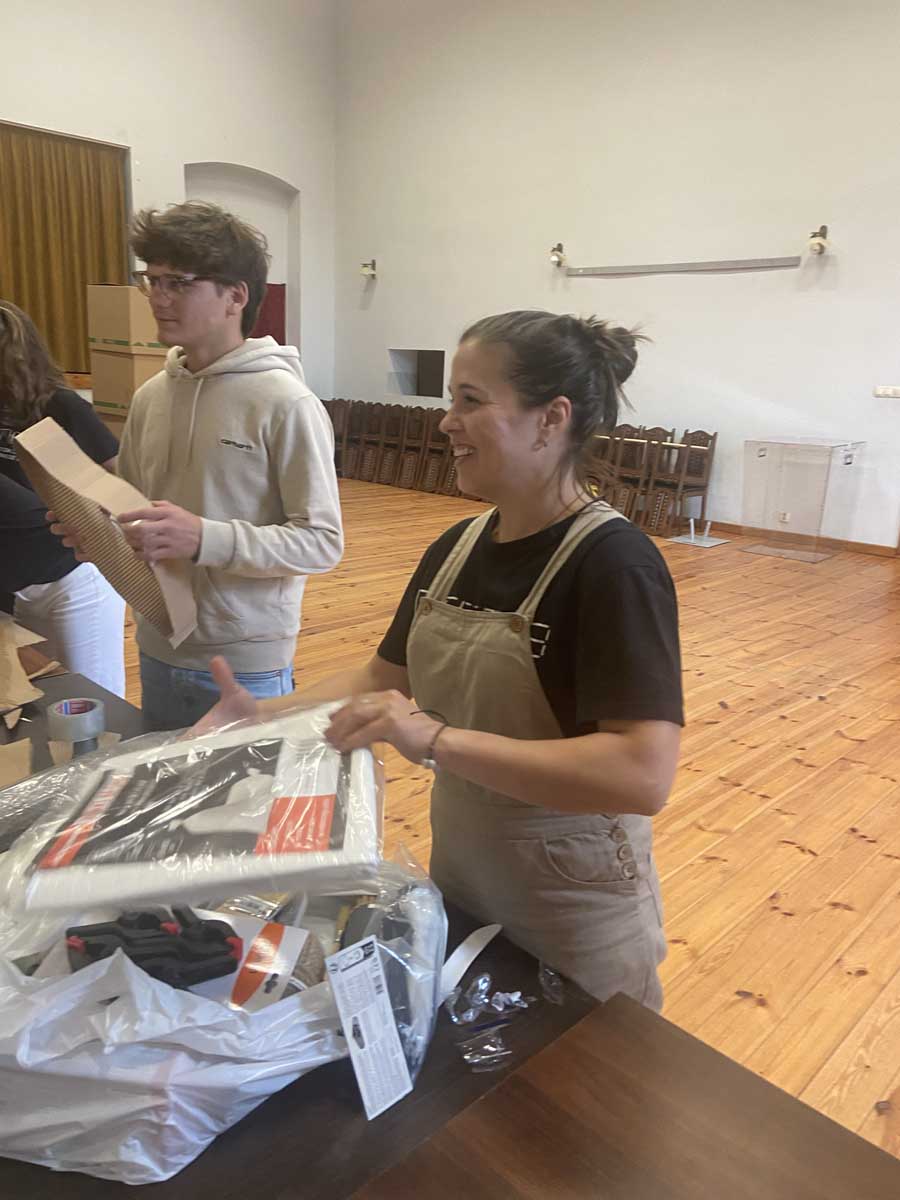
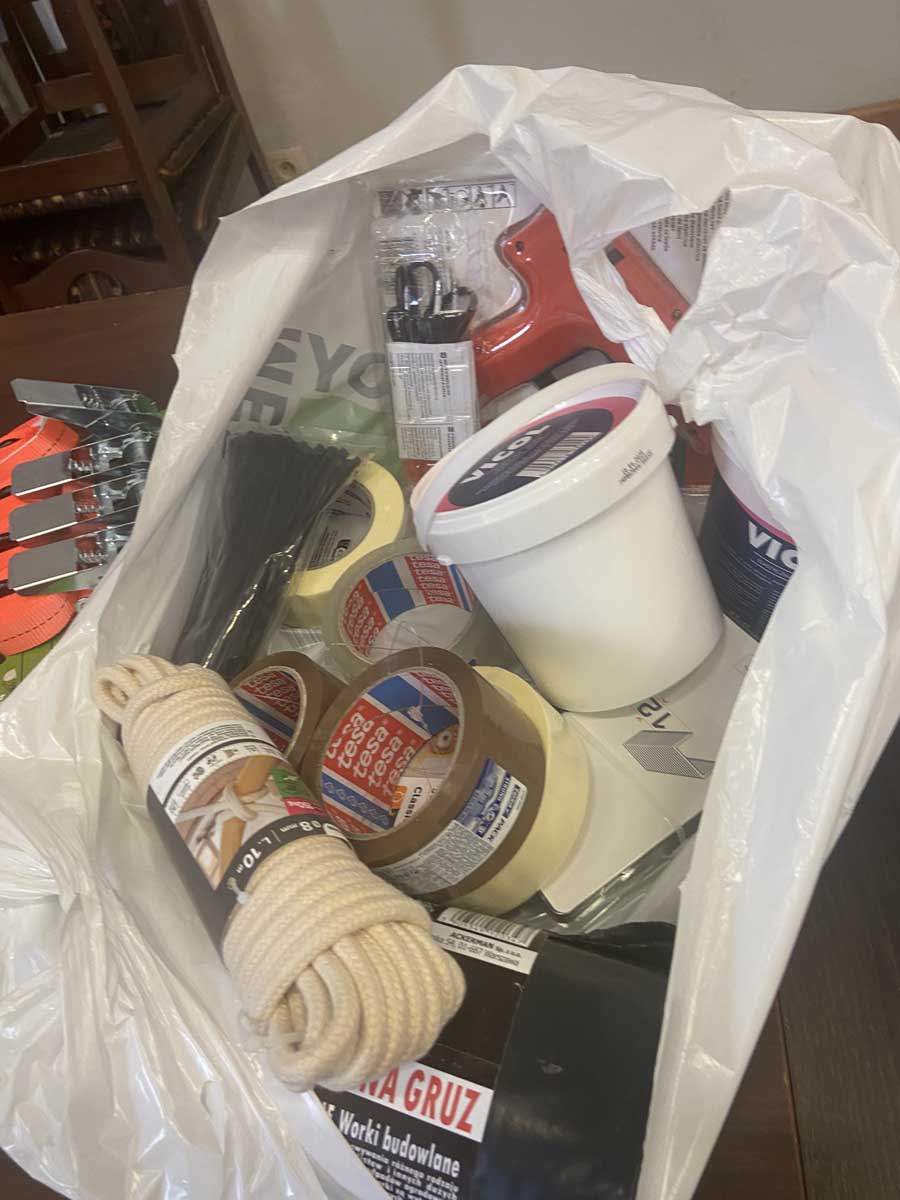
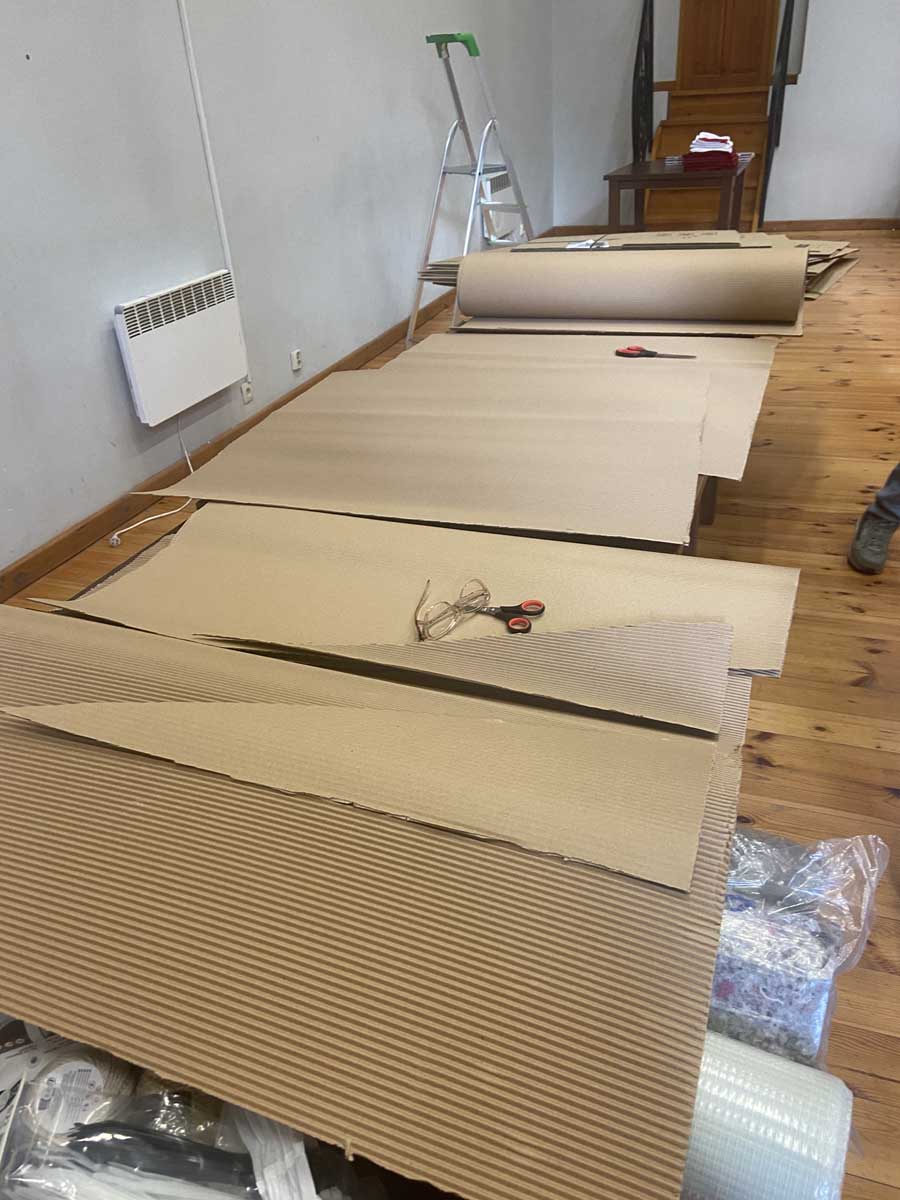
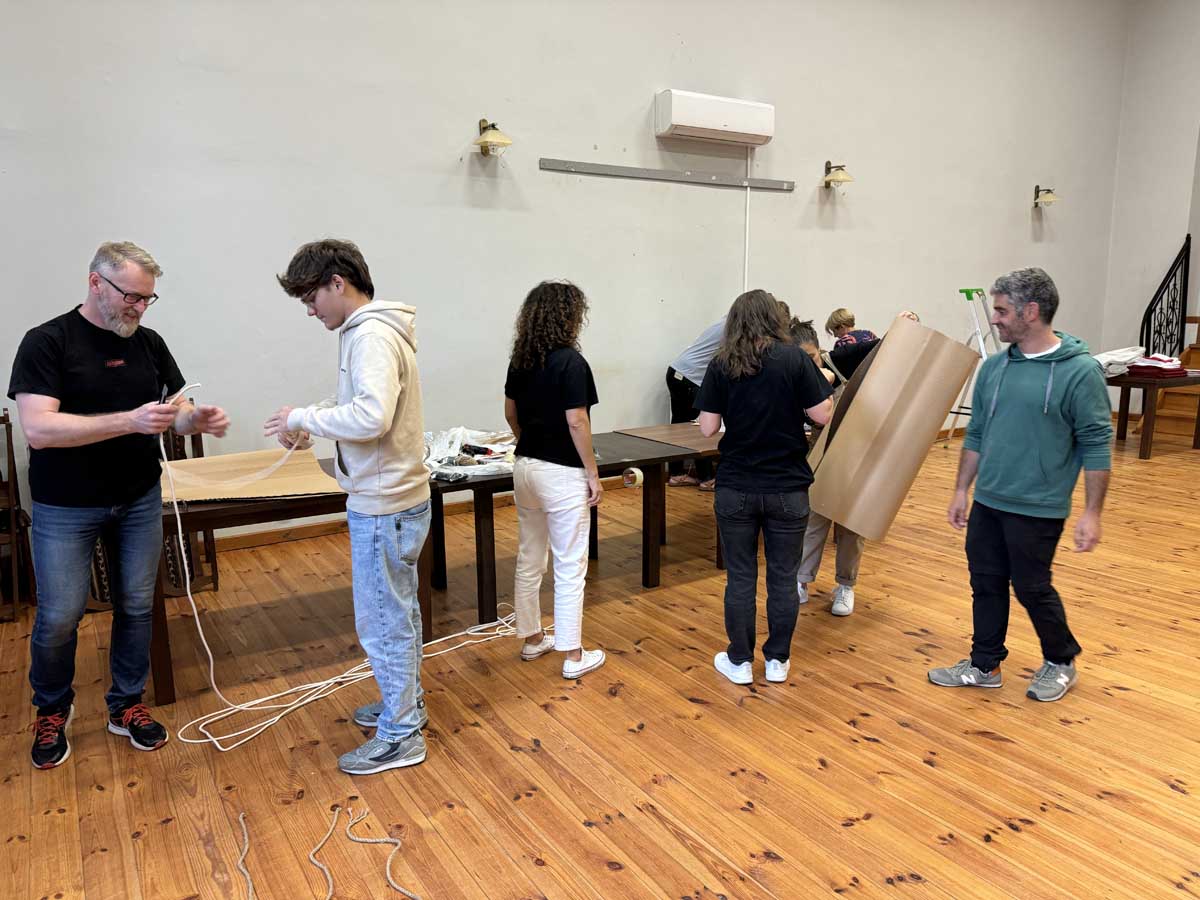
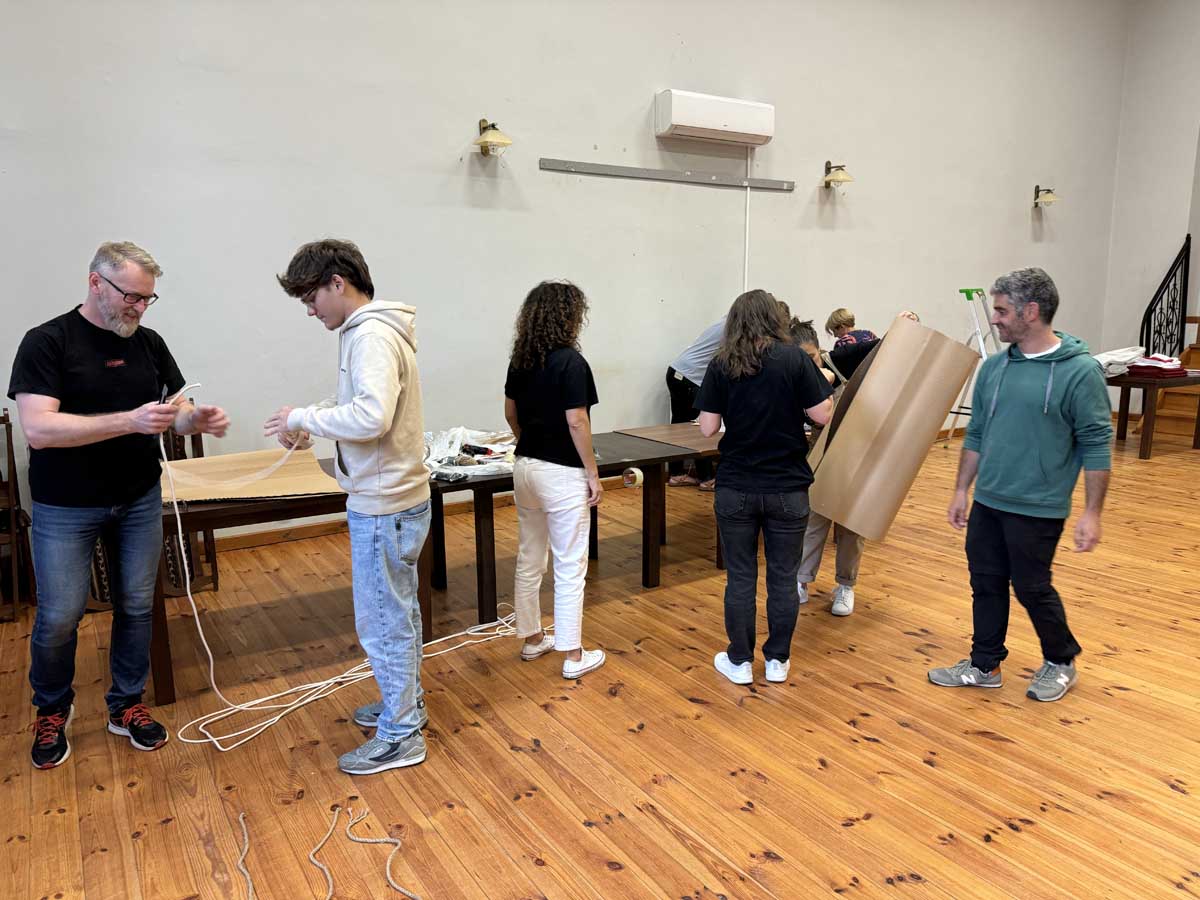
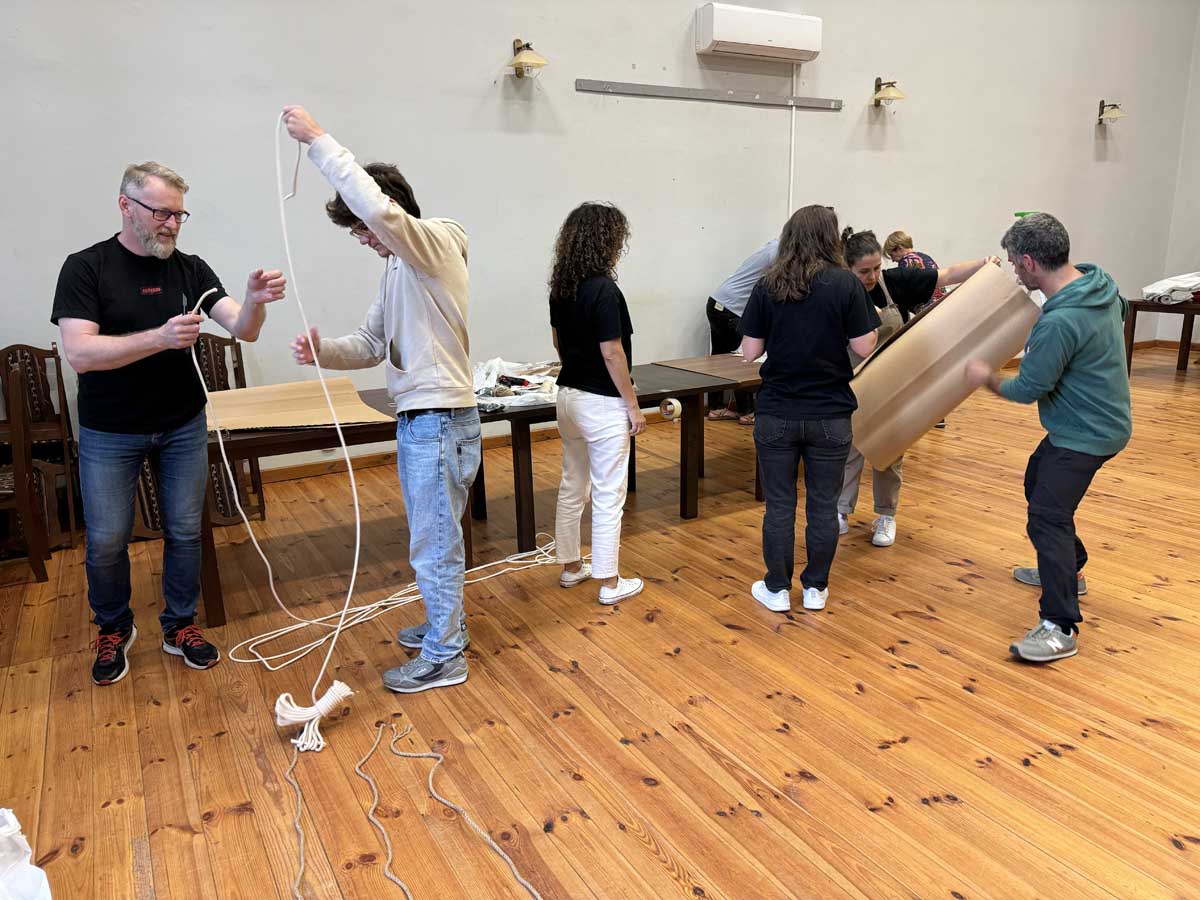
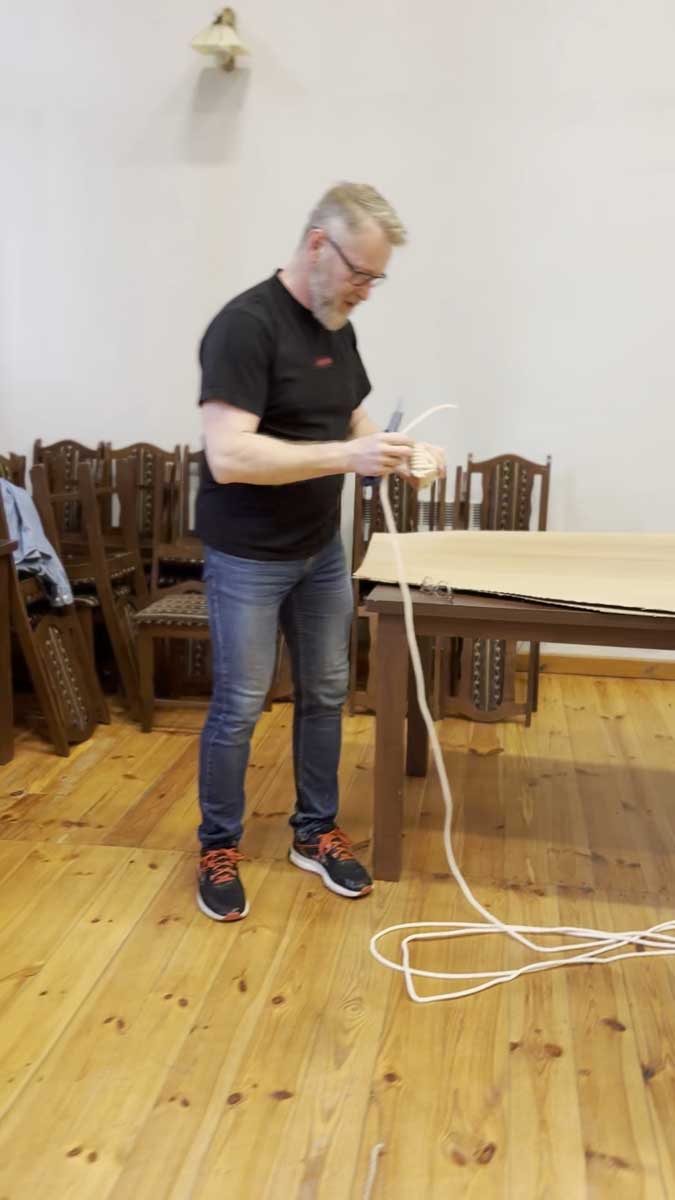
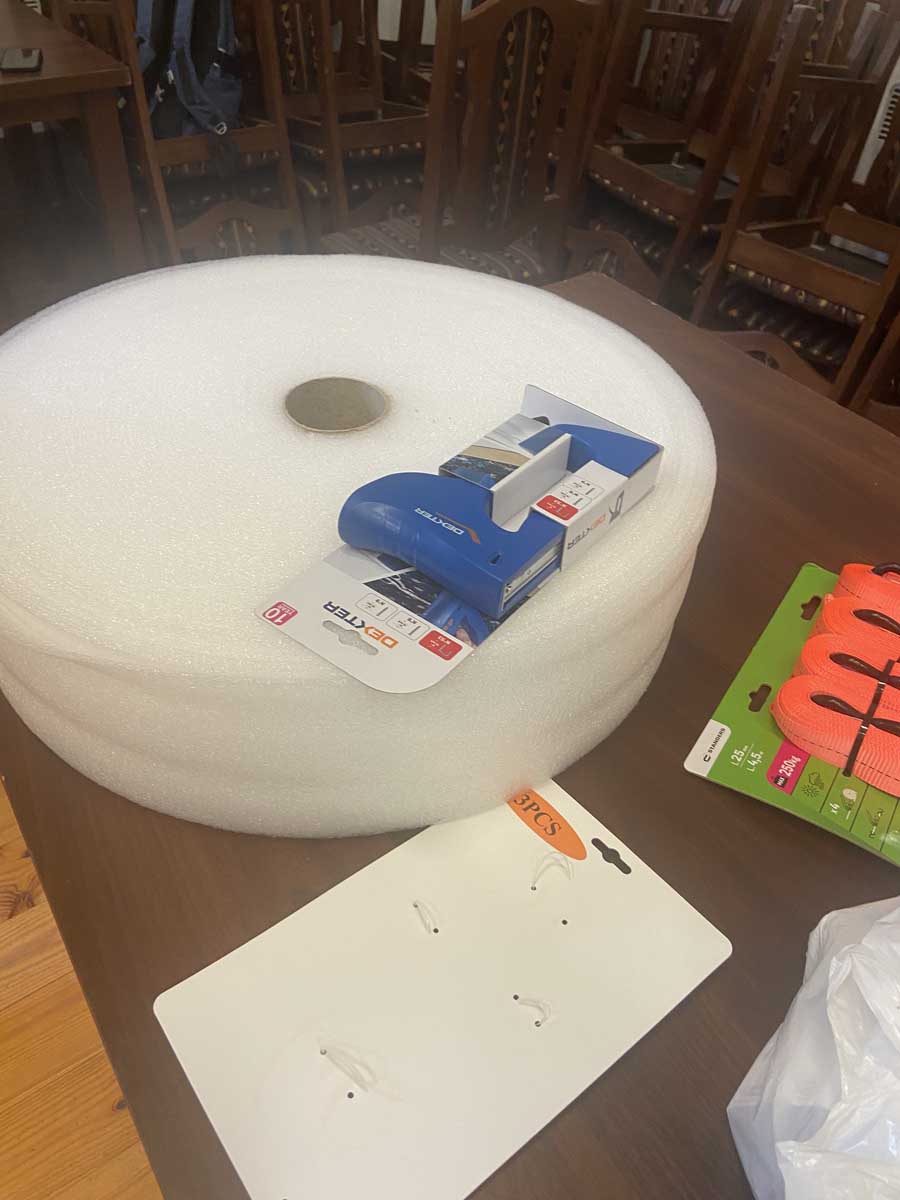
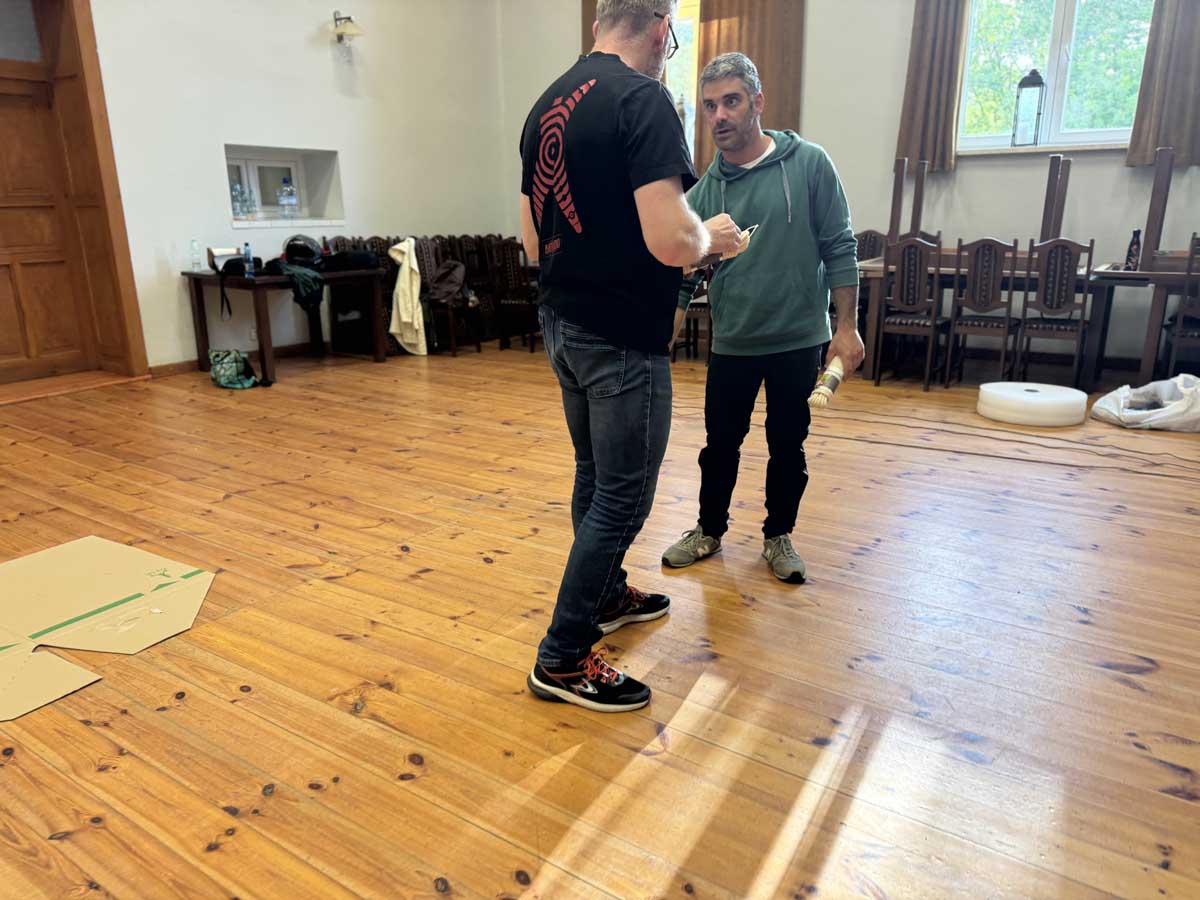
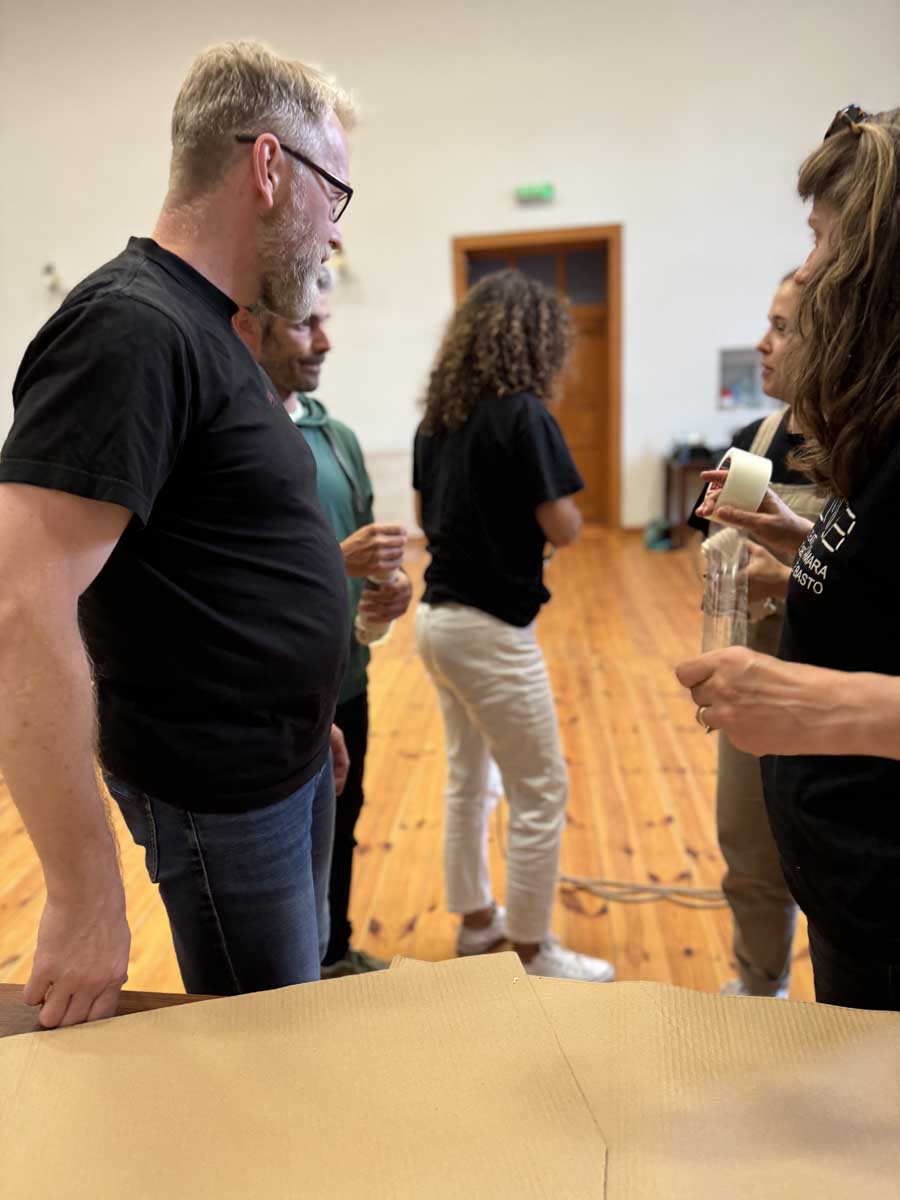
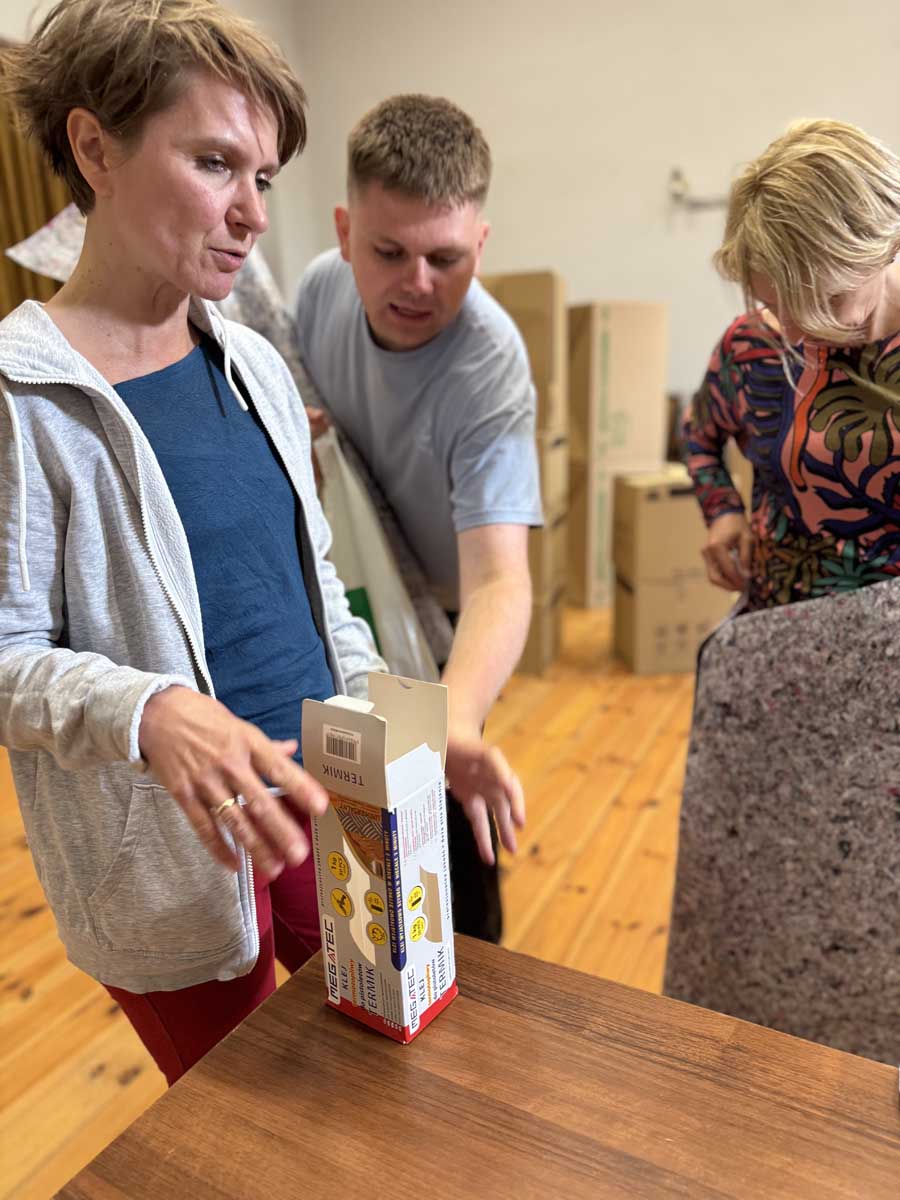
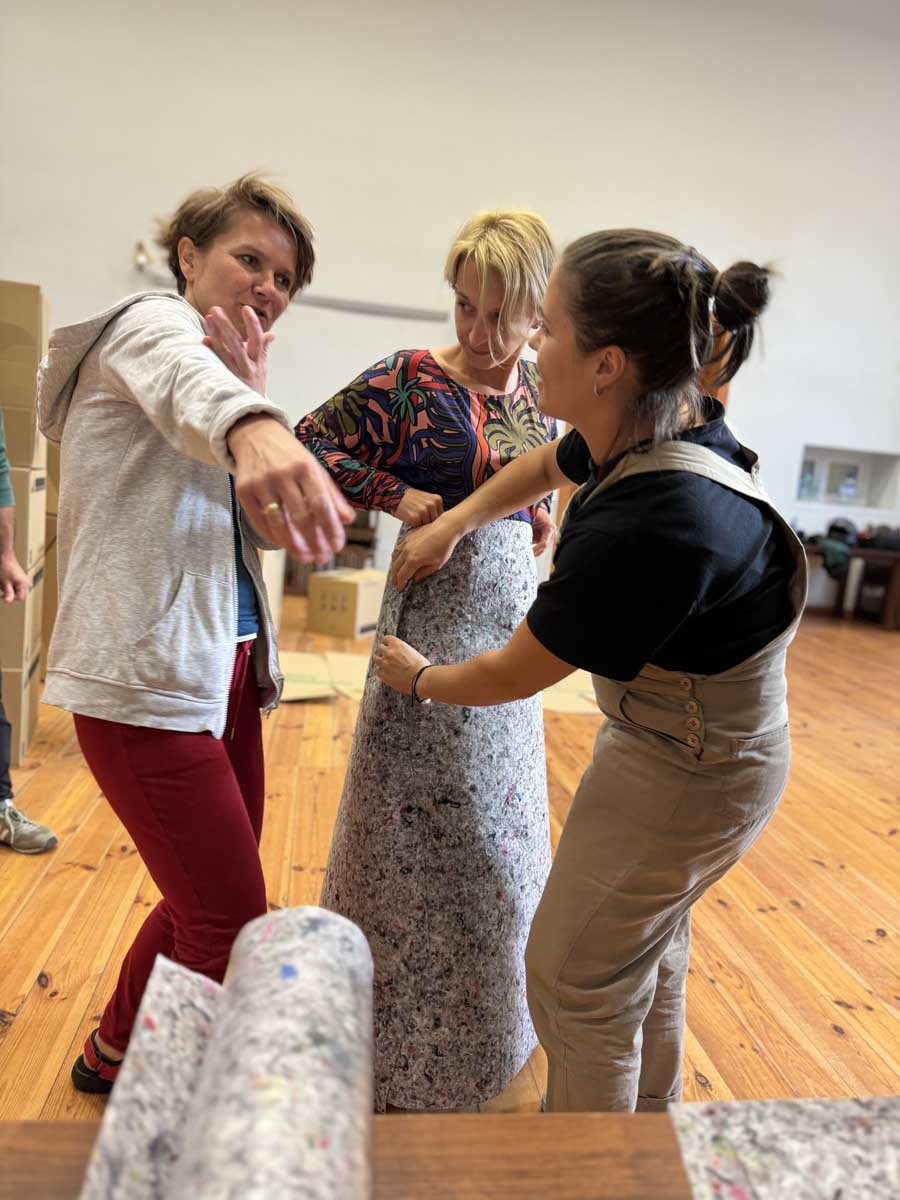
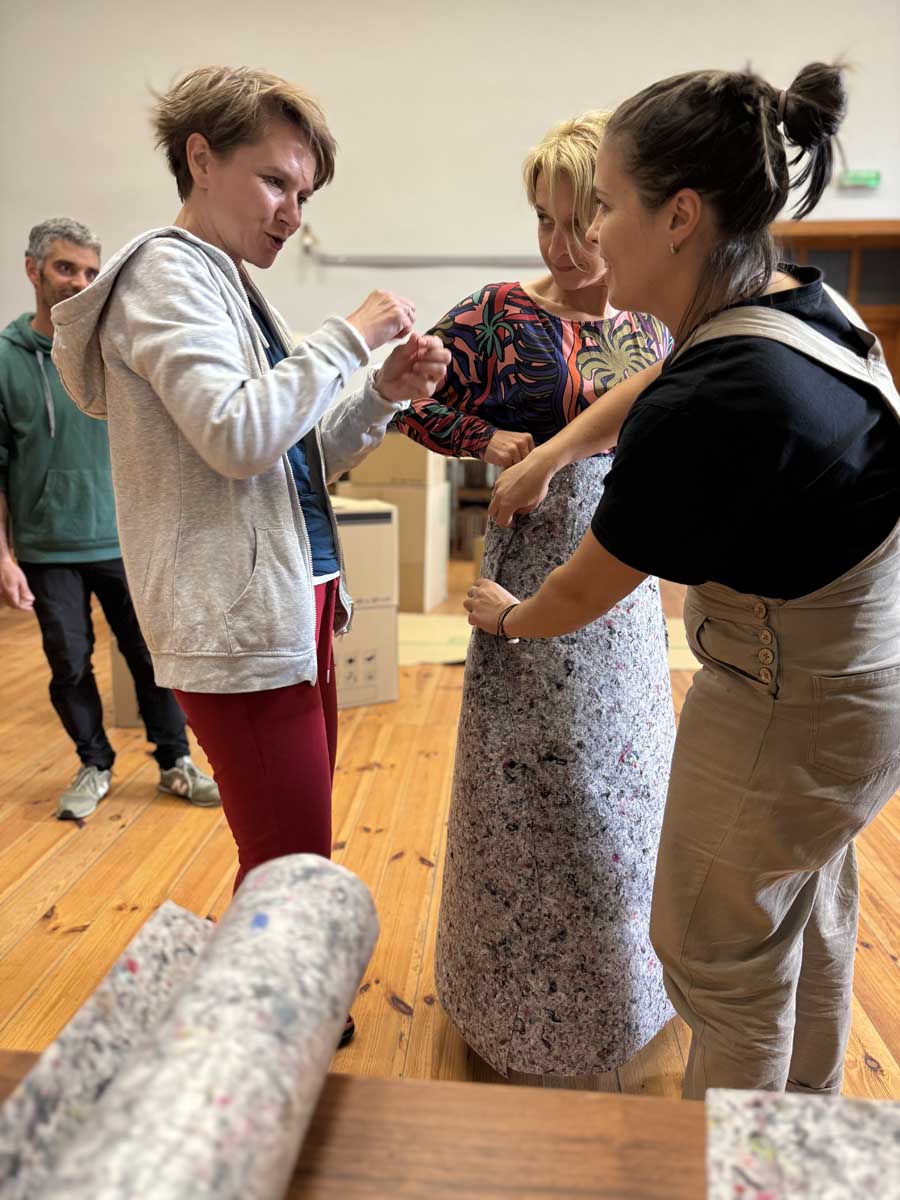
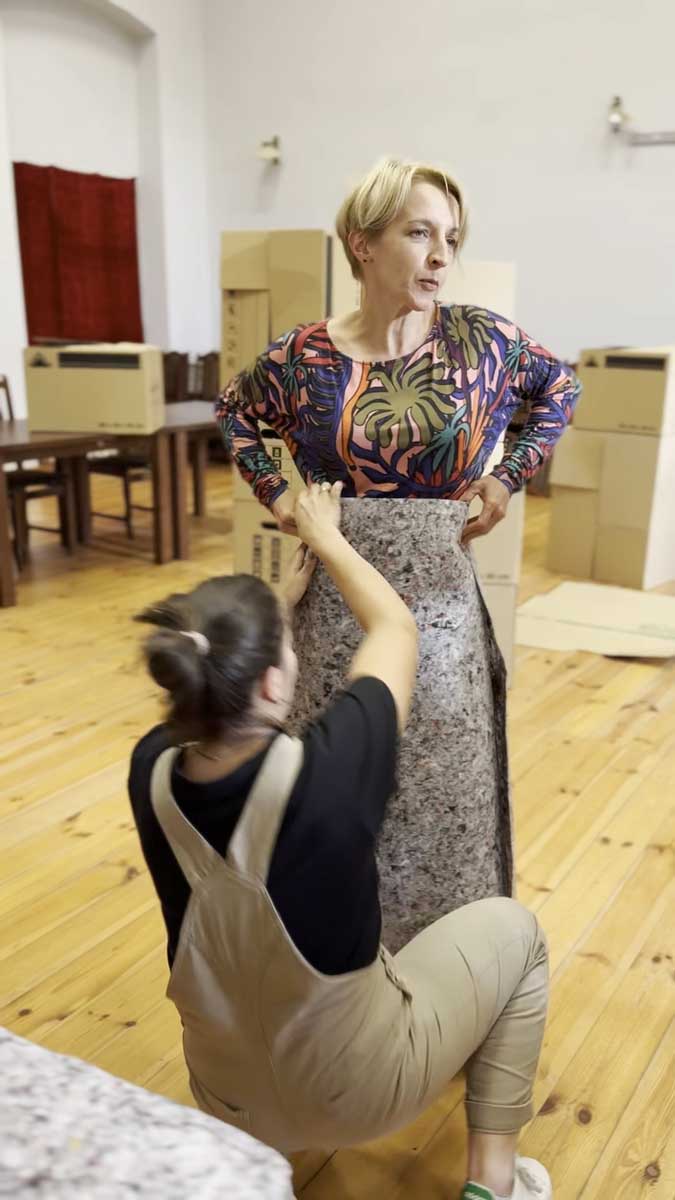
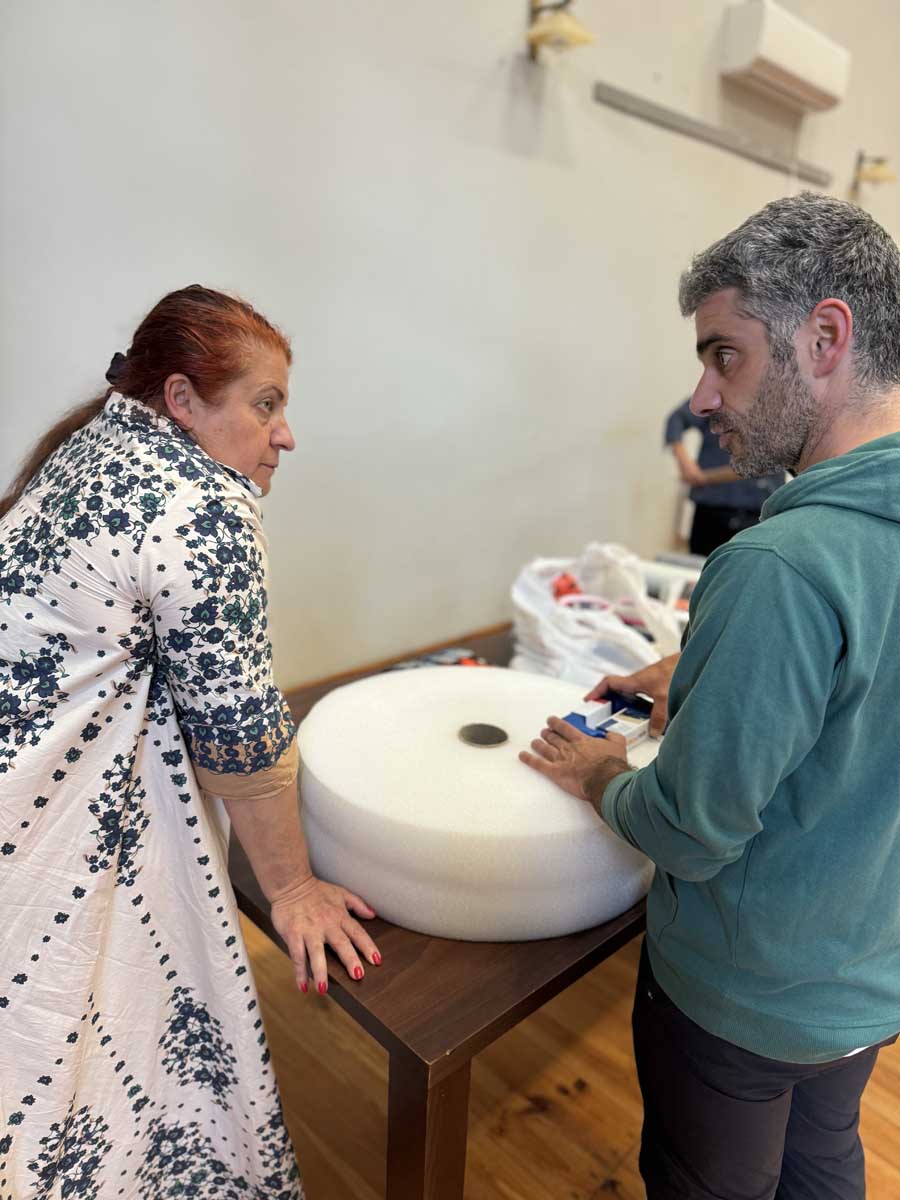
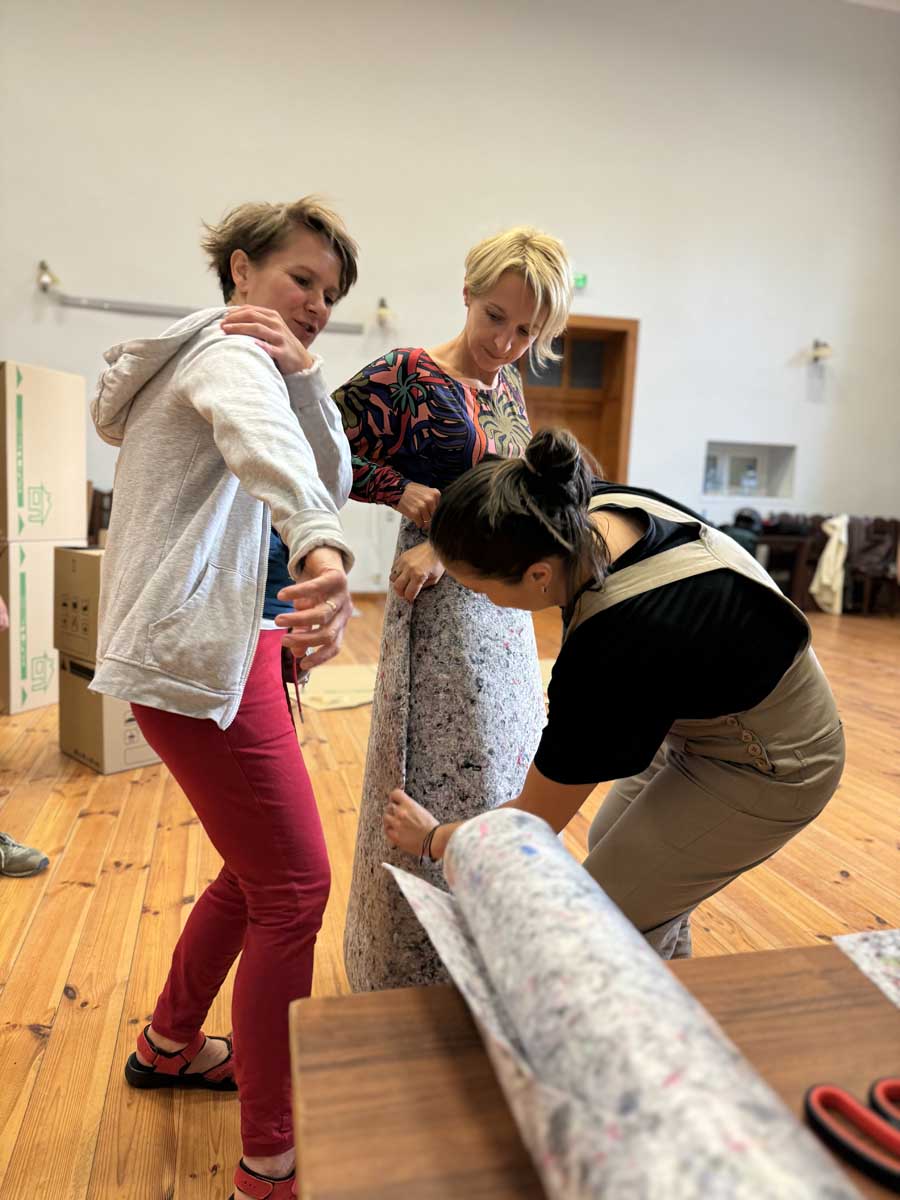
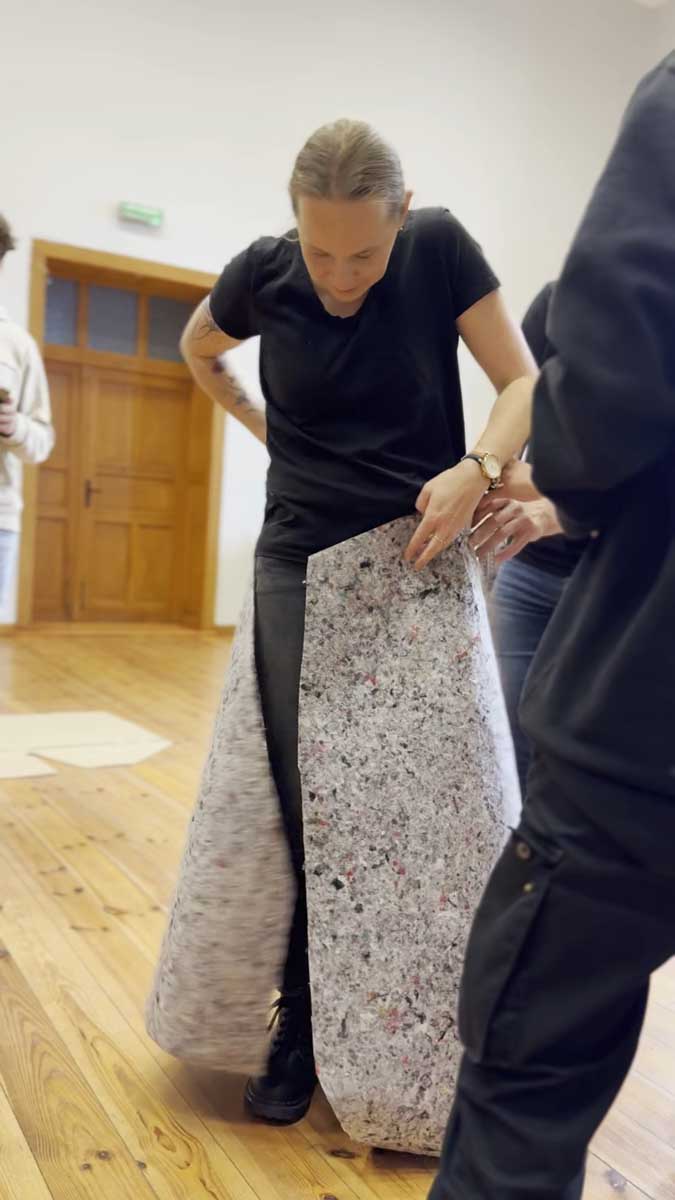
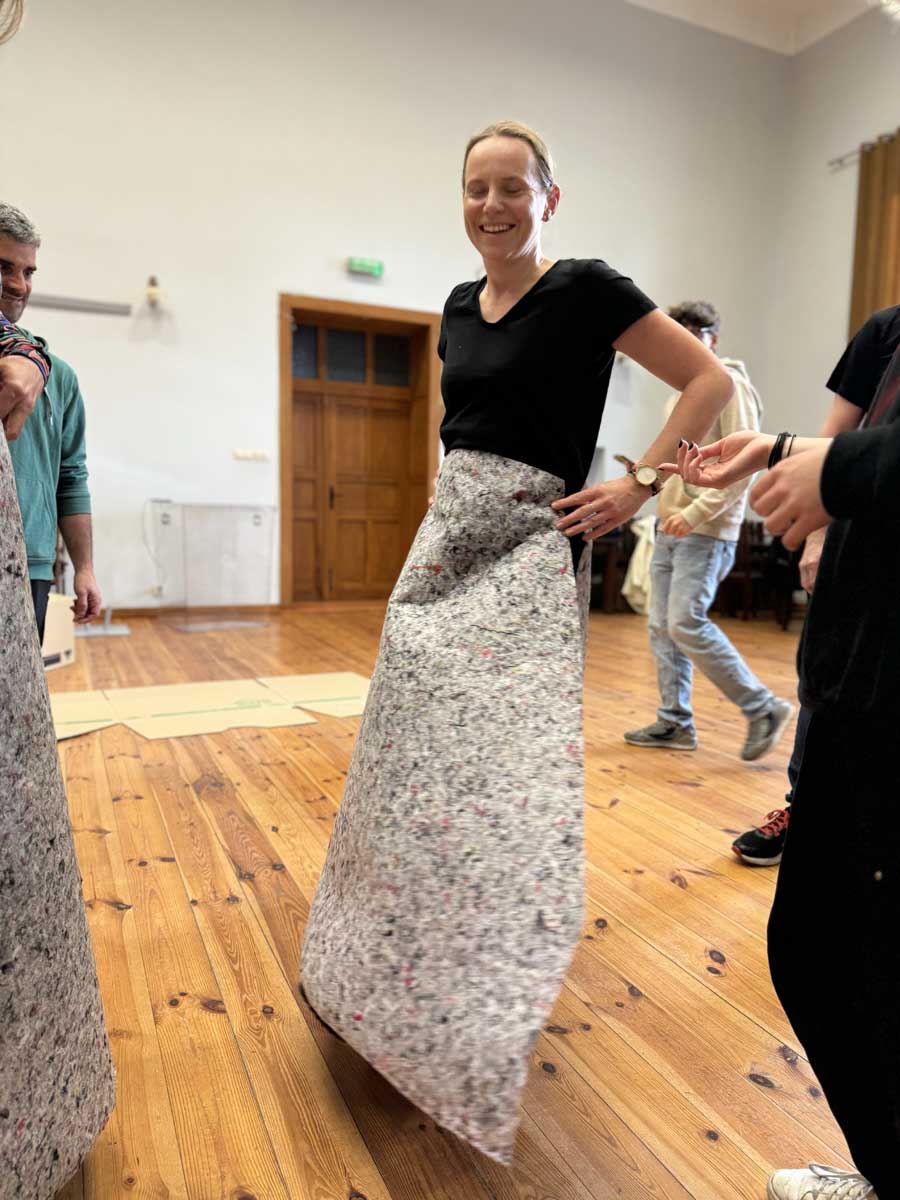
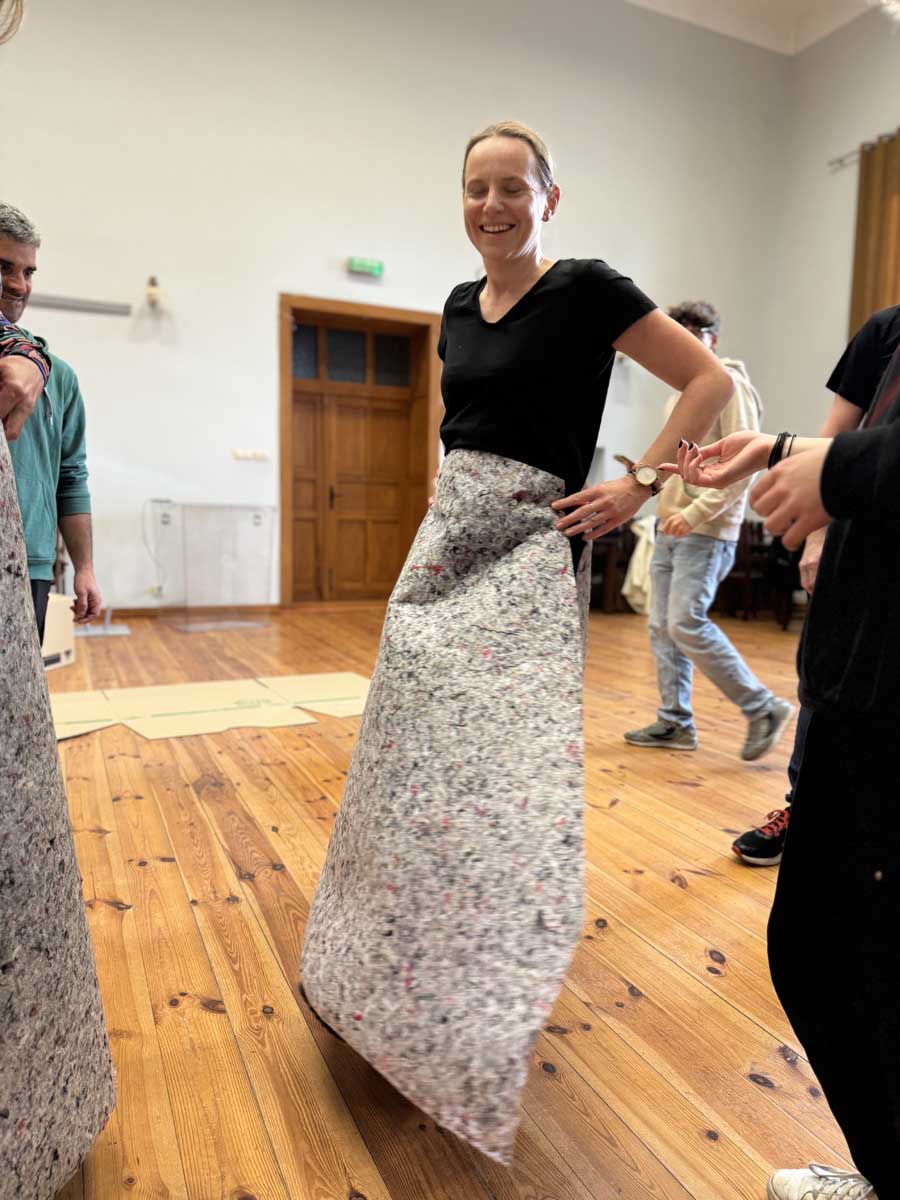
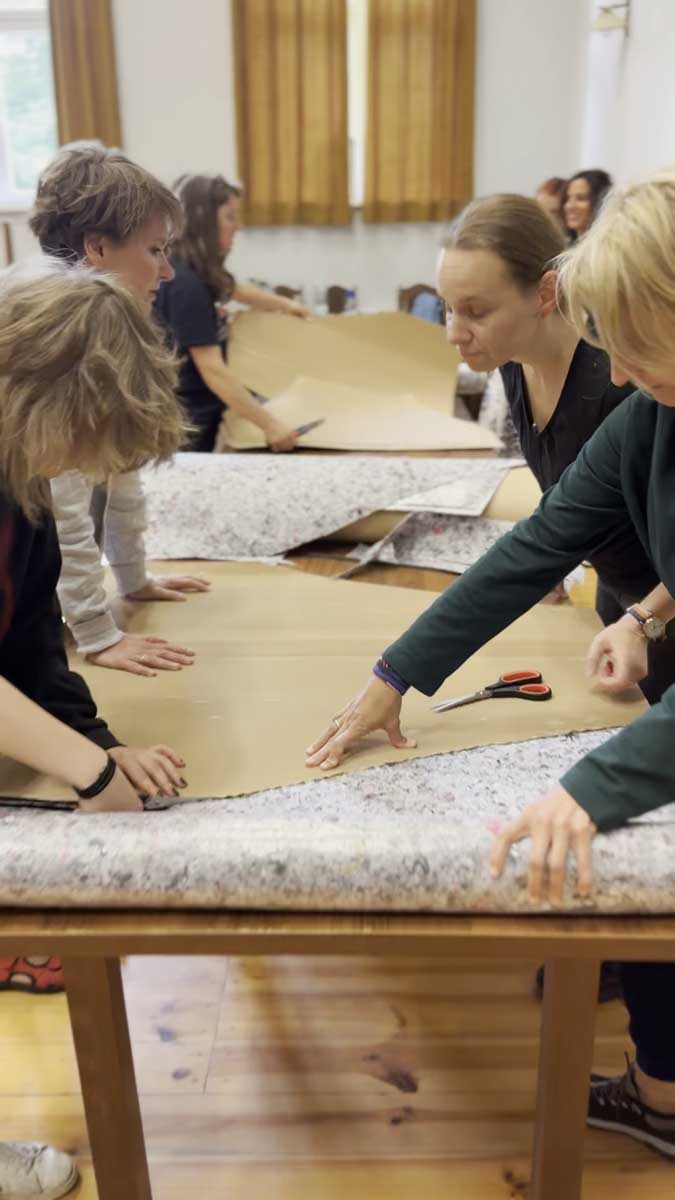
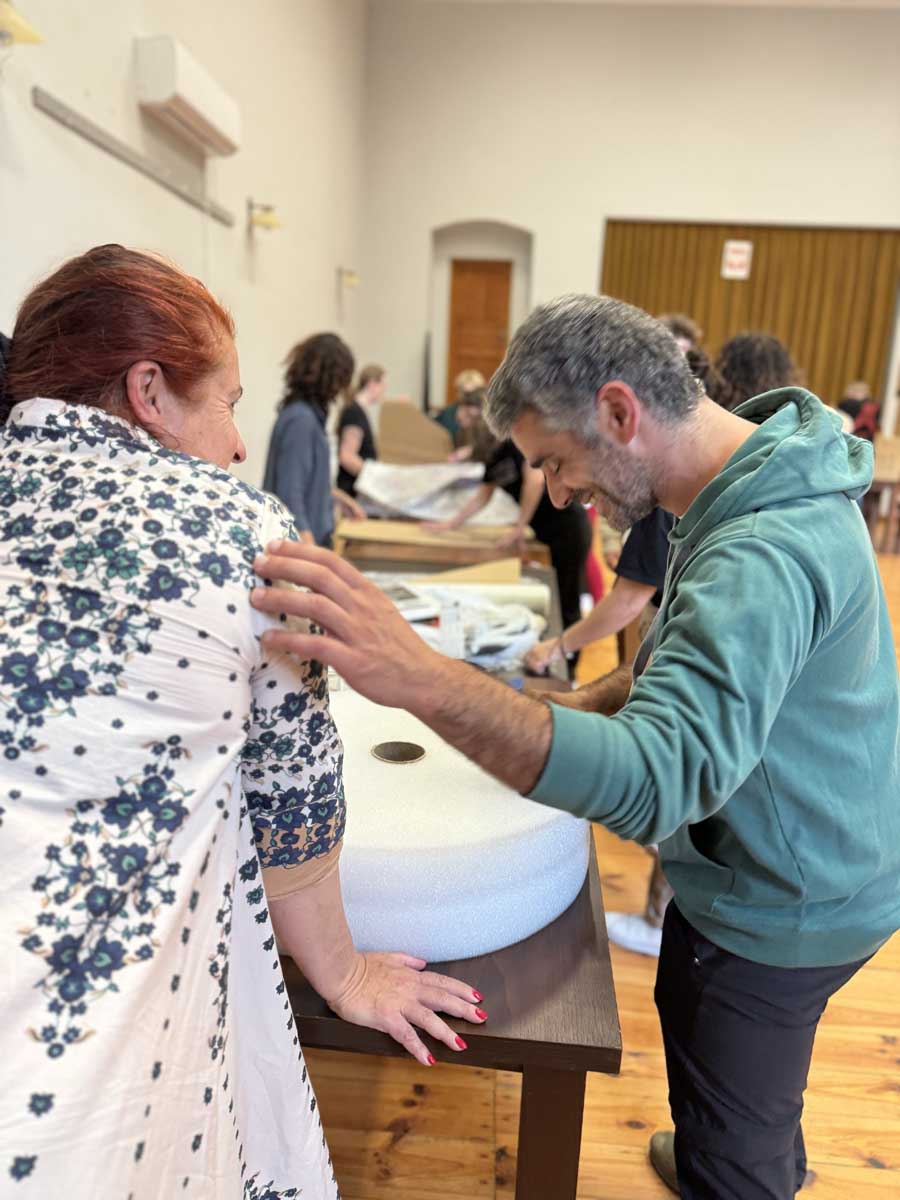
Throughout the project, environmental responsibility was never treated as a theory or an abstract concept. Instead, it became part of our everyday practice. We consistently used recycled and repurposed materials in our artistic work, especially for costumes, props, decorations and scenography (the Portuguese partner taught us that almost every object can be reused later as a unique stage element). All materials created during the project were carefully preserved and reused in later sessions, performances and promotional activities. We also focused on reducing waste by planning consciously, choosing low-resource solutions and sharing materials — not just to save money, but to learn how to produce less and waste less.
As the project went on, we could clearly see a growing environmental awareness among both participants and audiences. This showed up in discussions, feedback sessions and reflections on everyday habits such as energy use, water consumption and where materials come from.
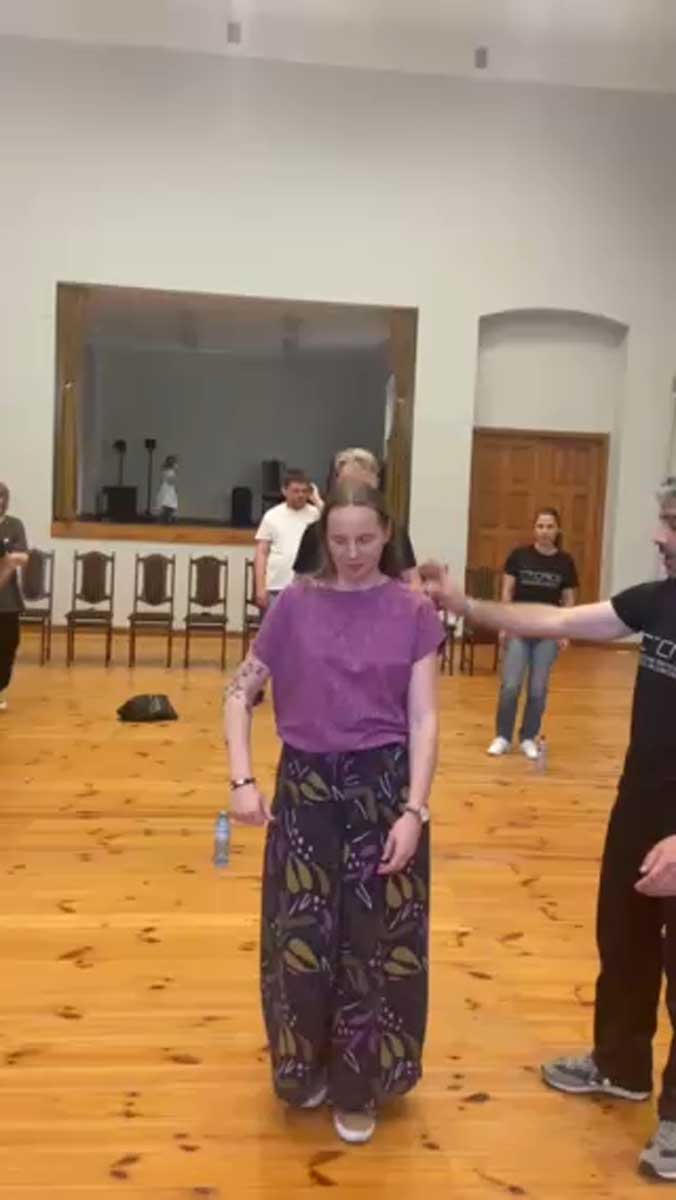
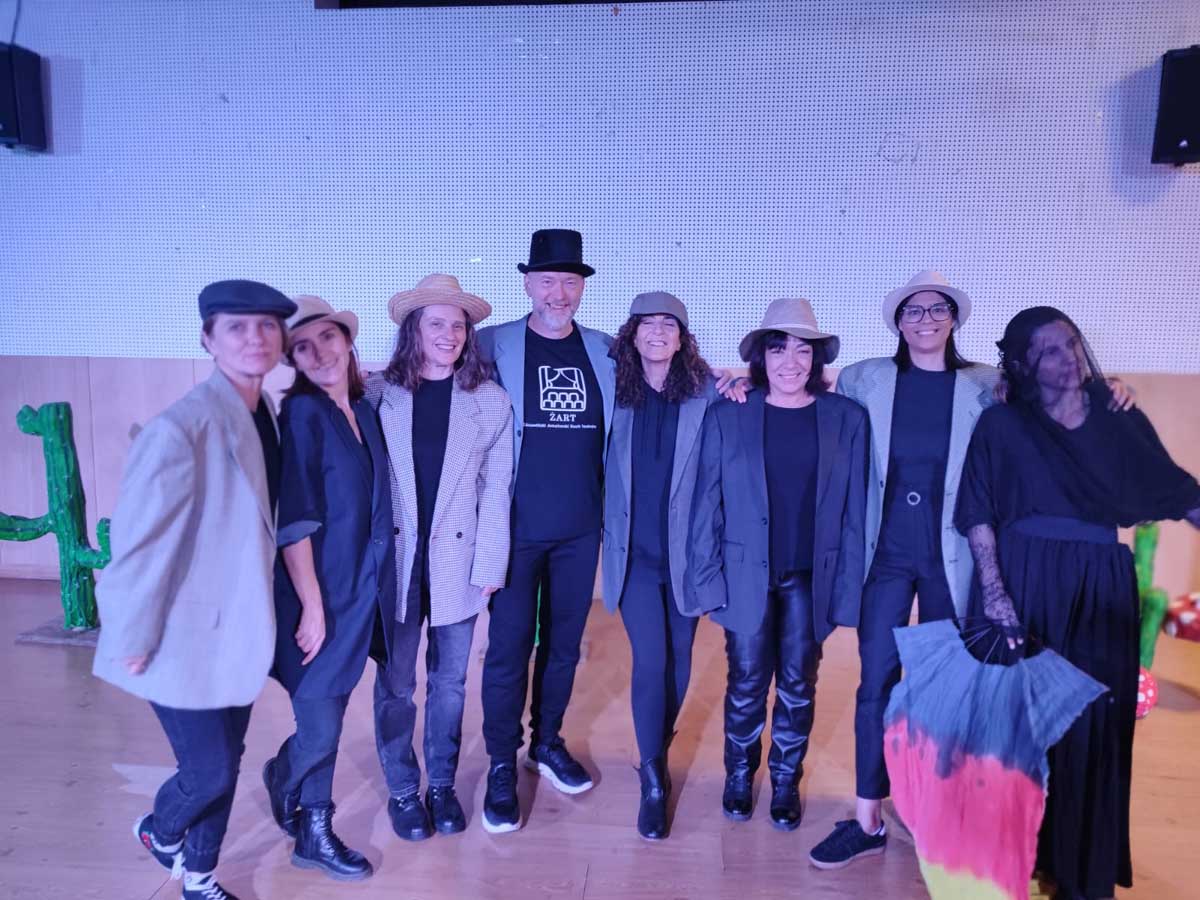
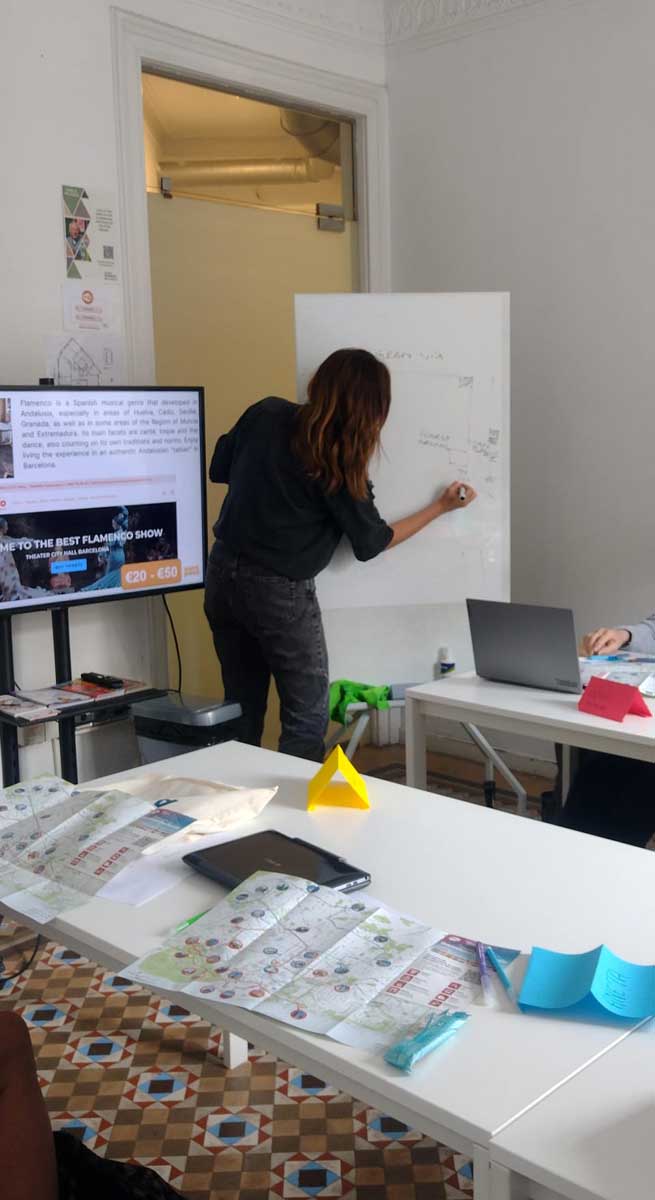
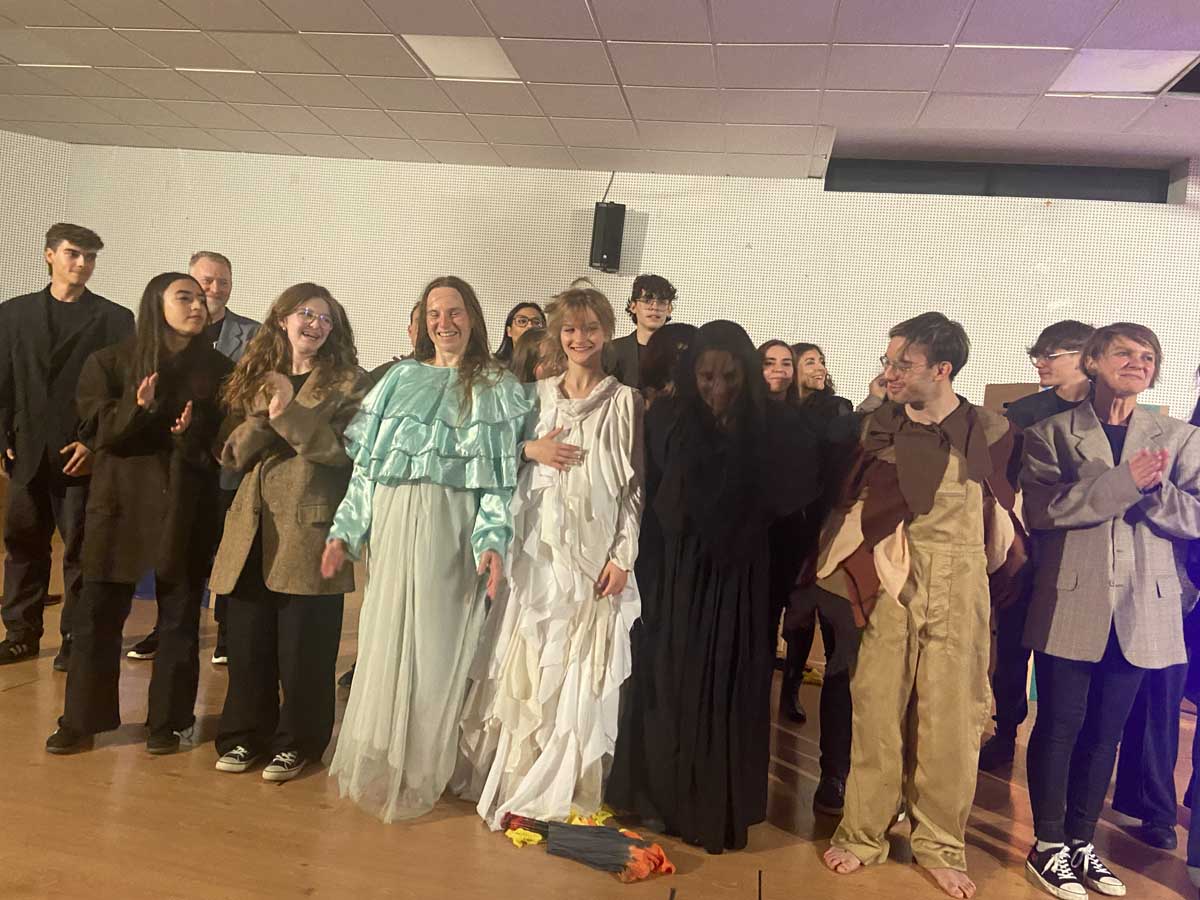
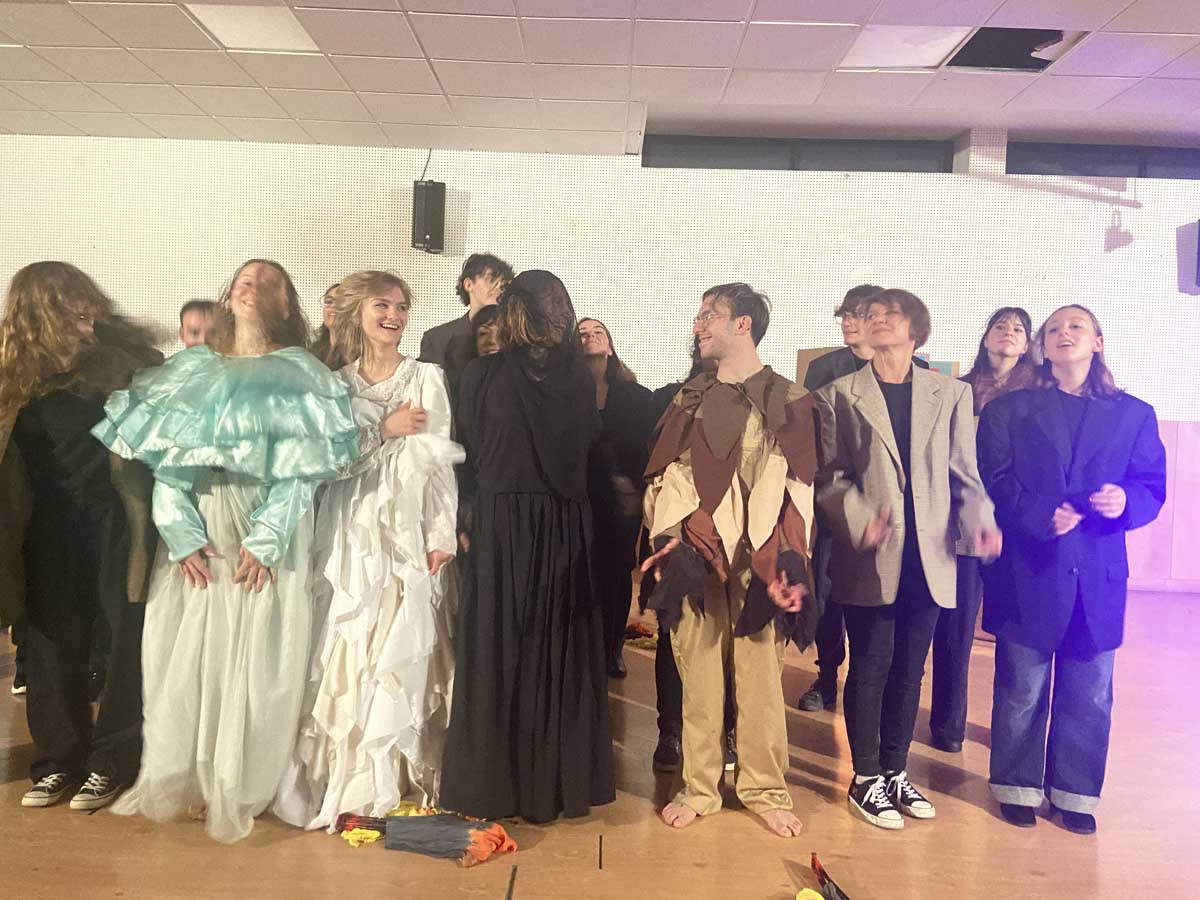
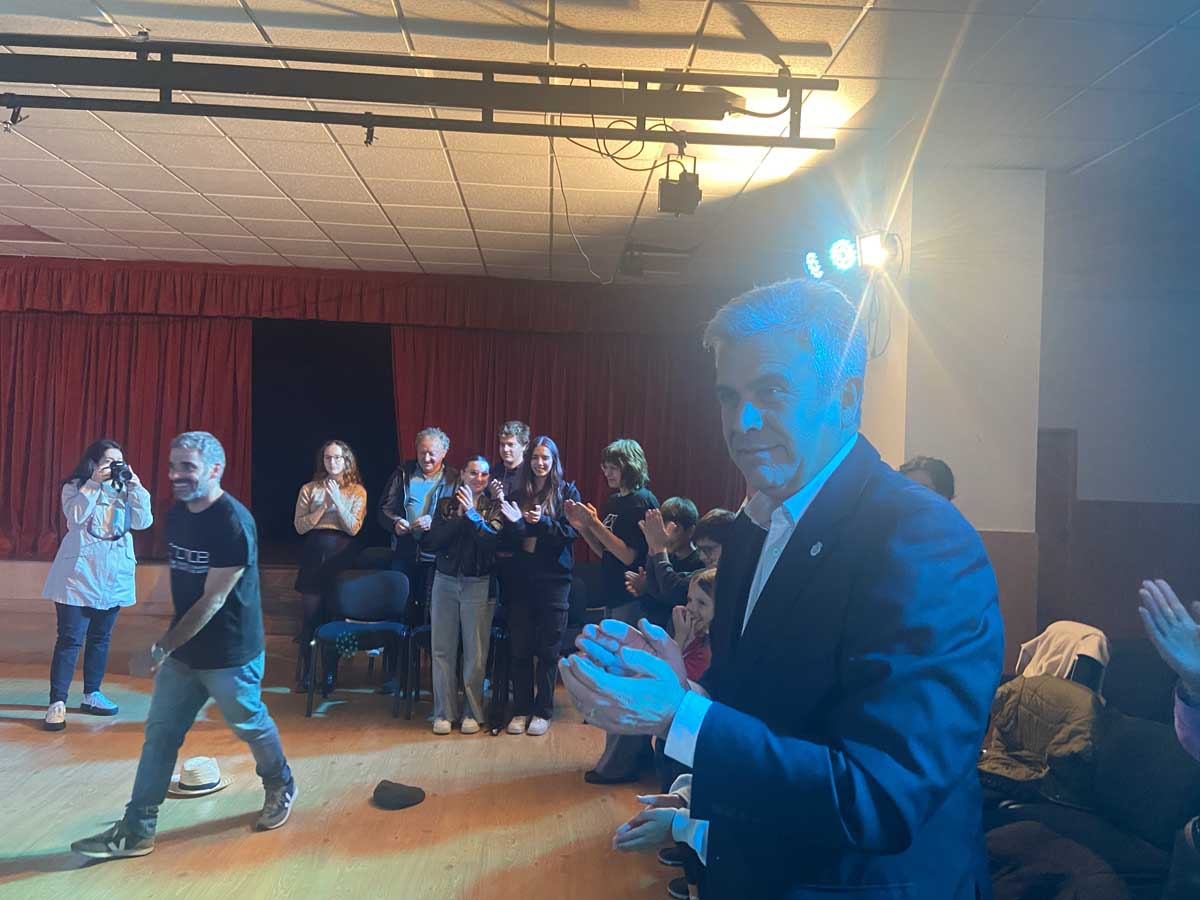
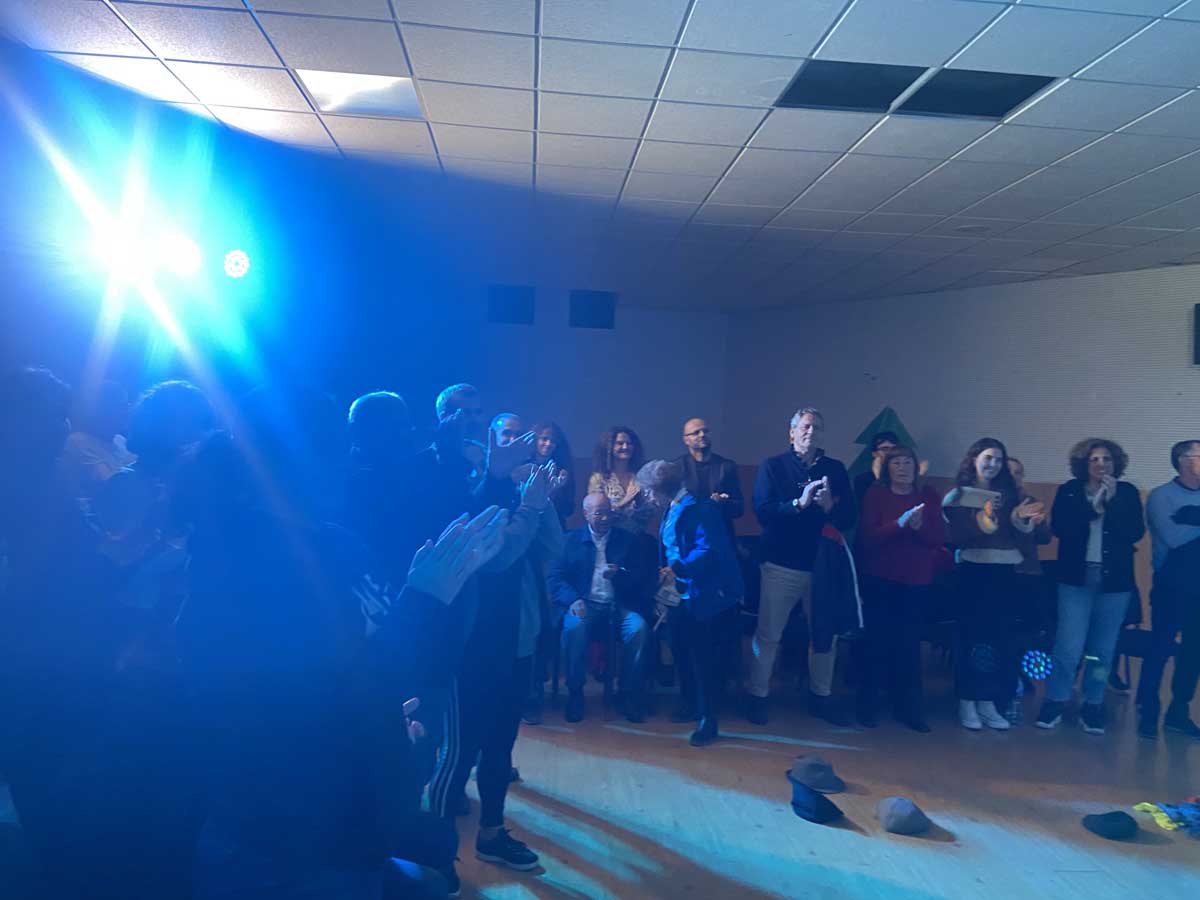
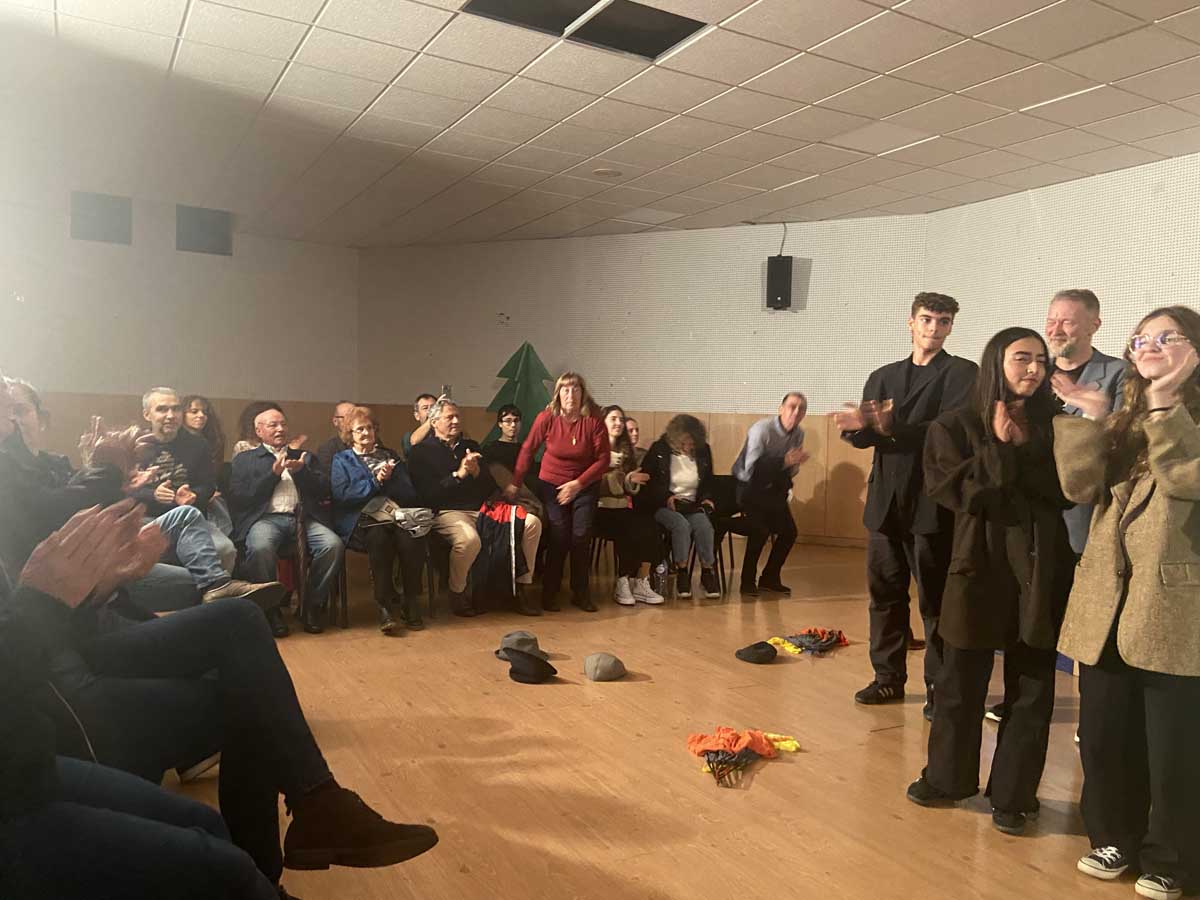
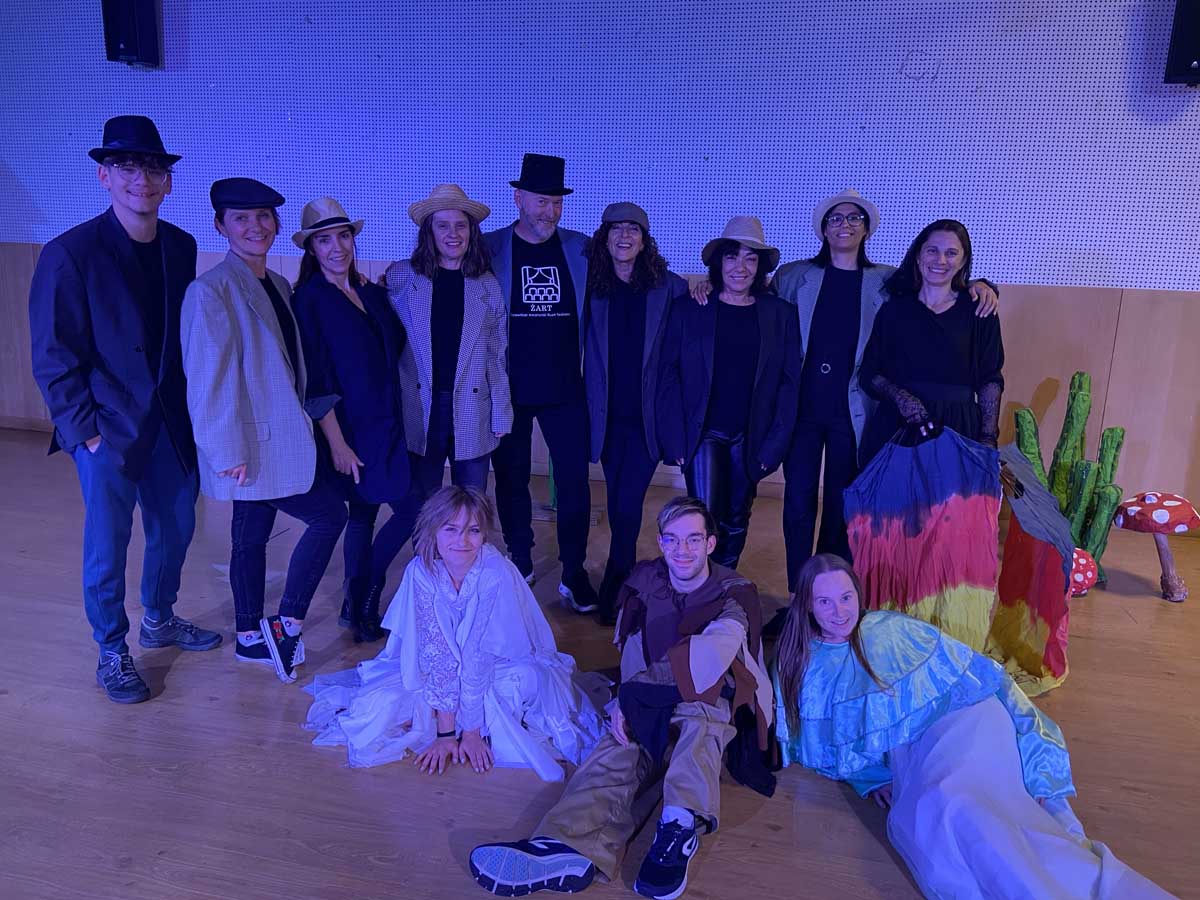
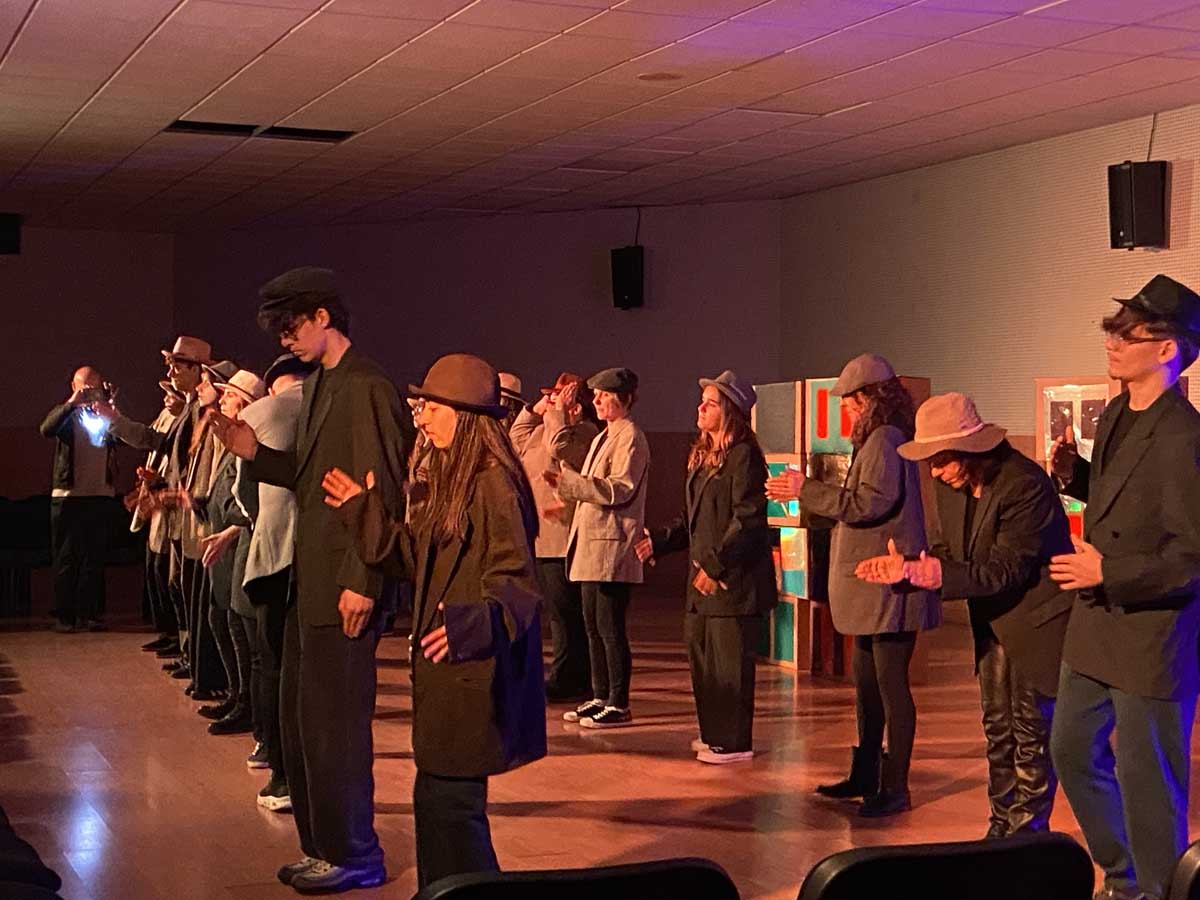
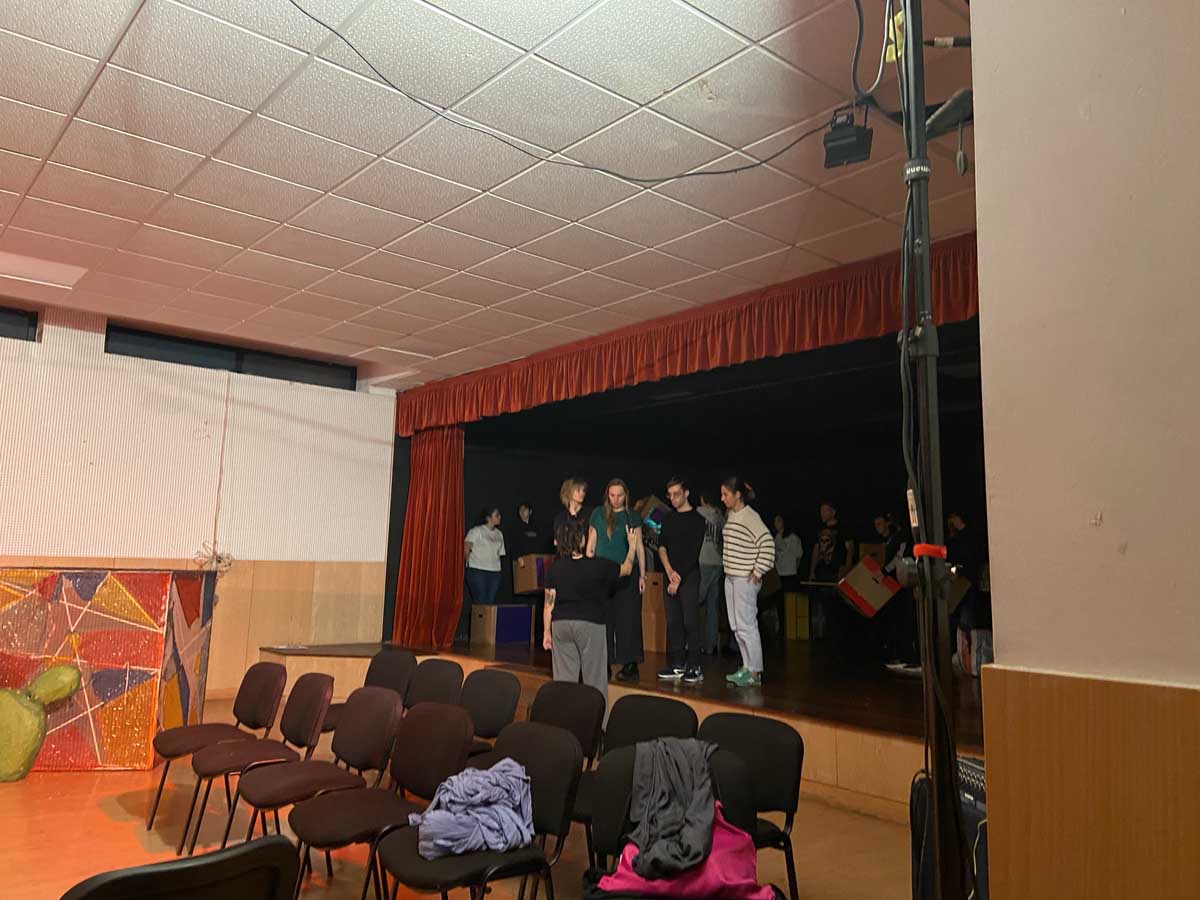
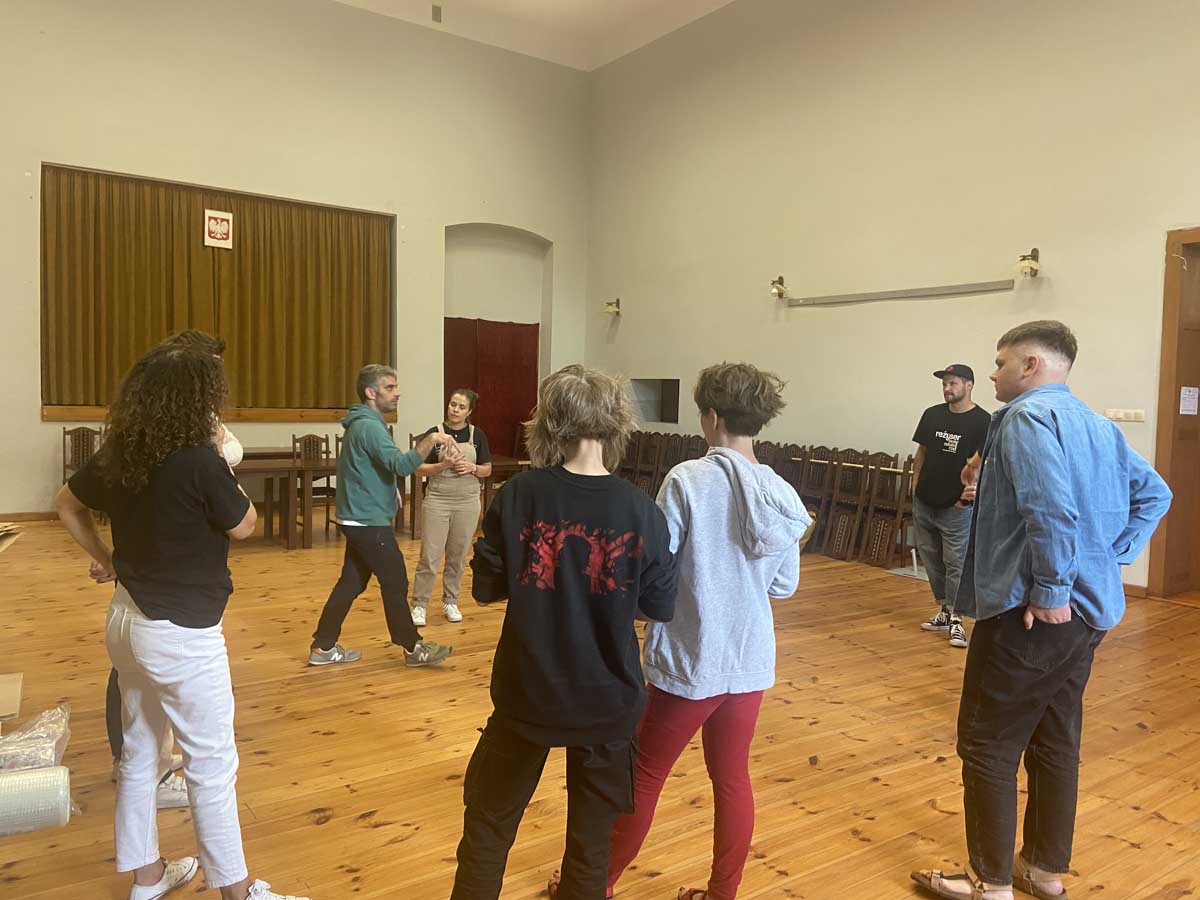
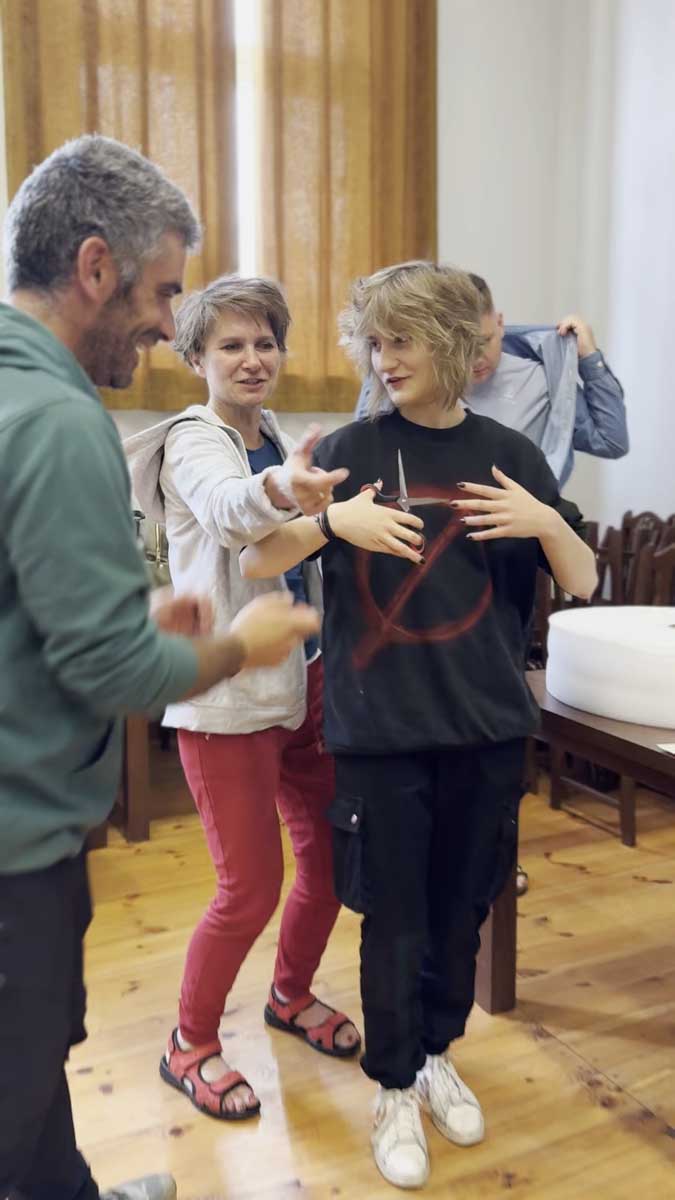
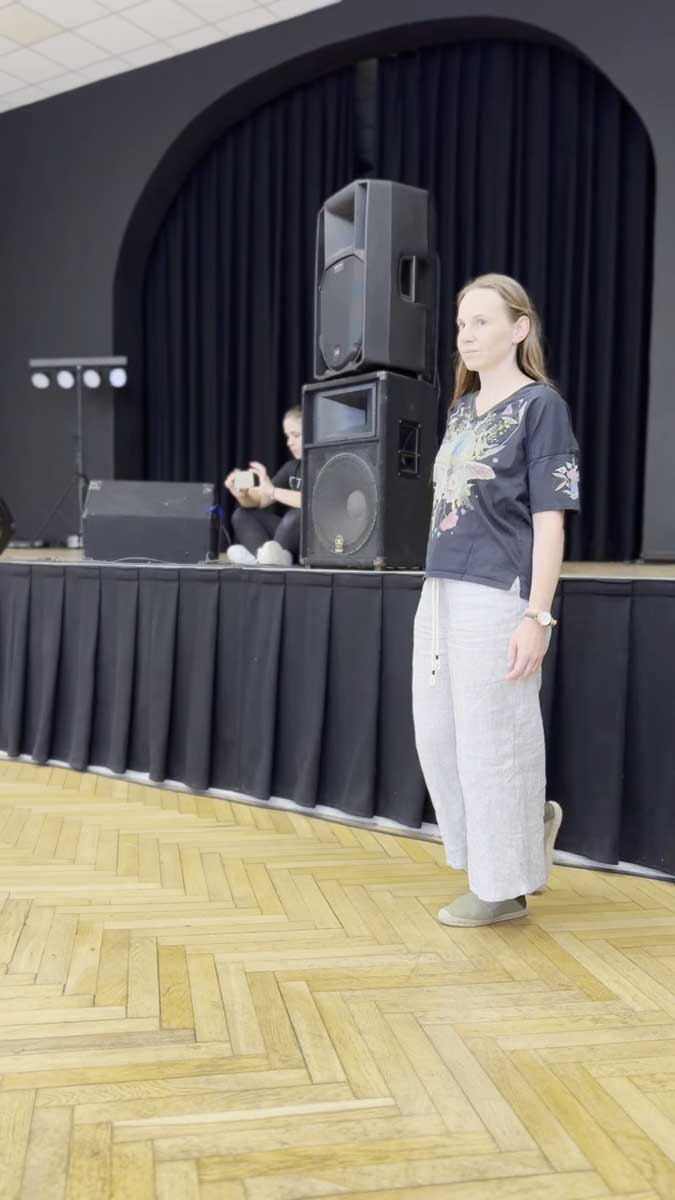
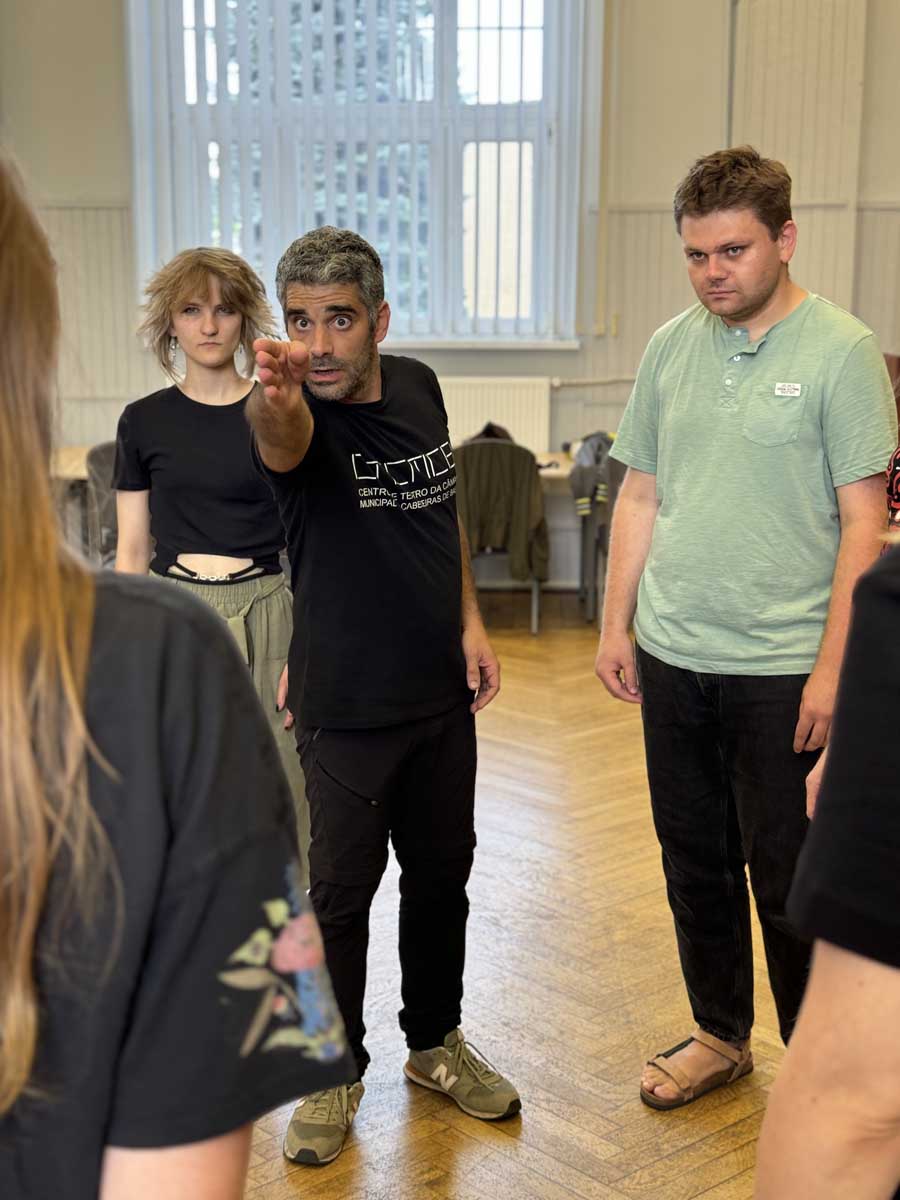
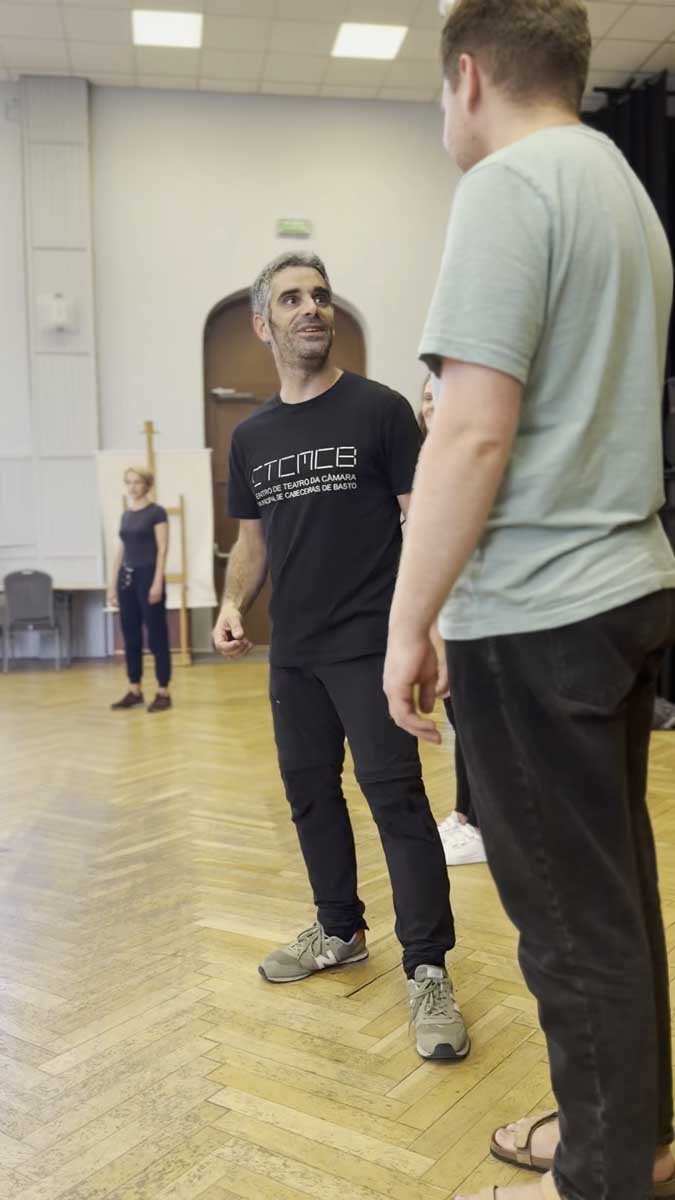
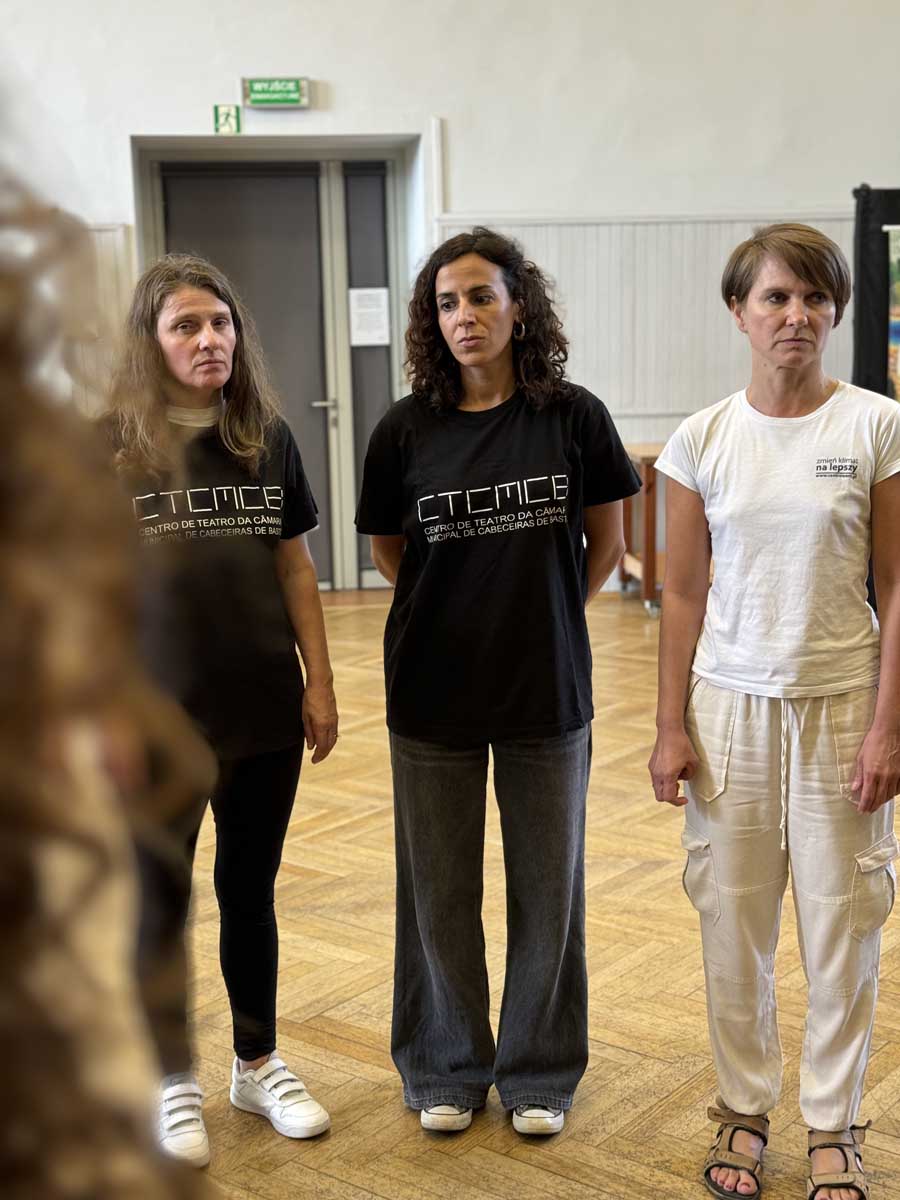
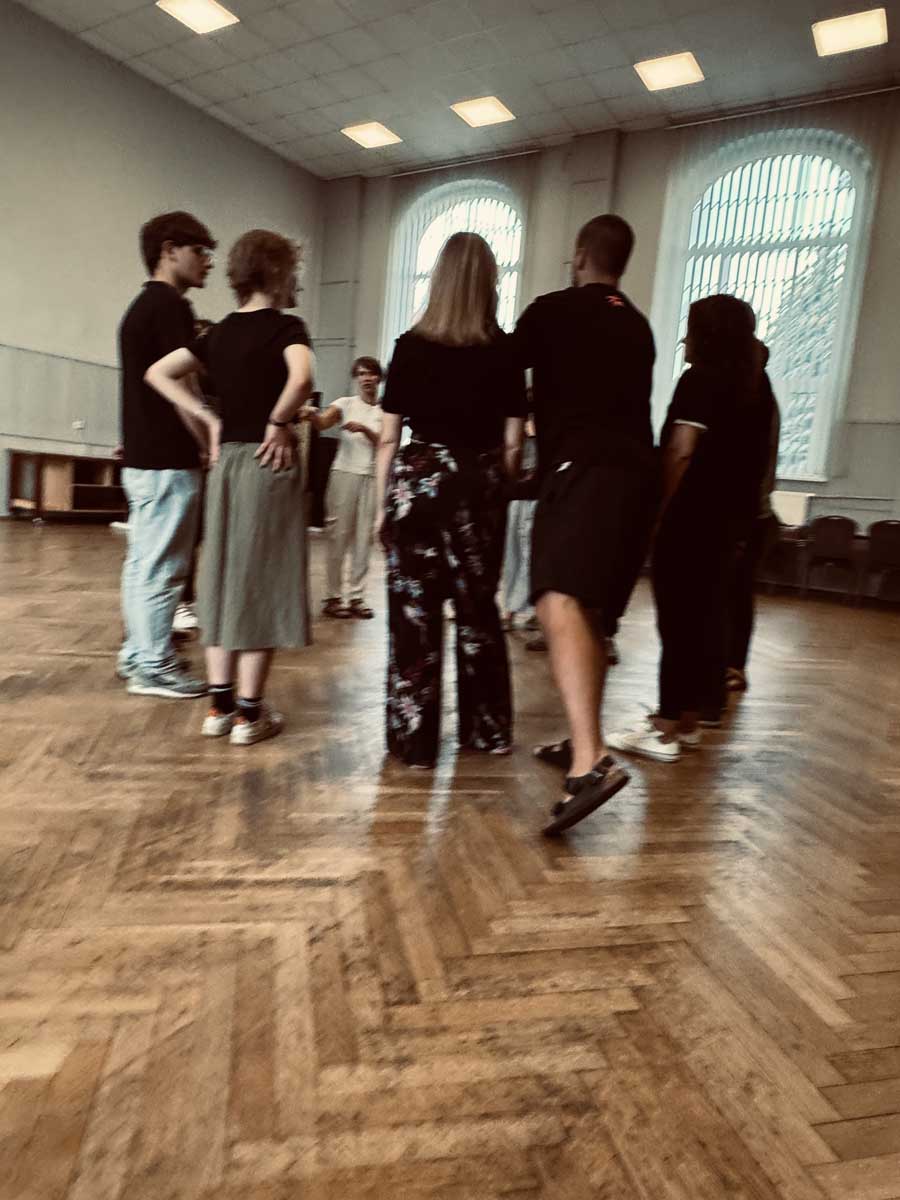
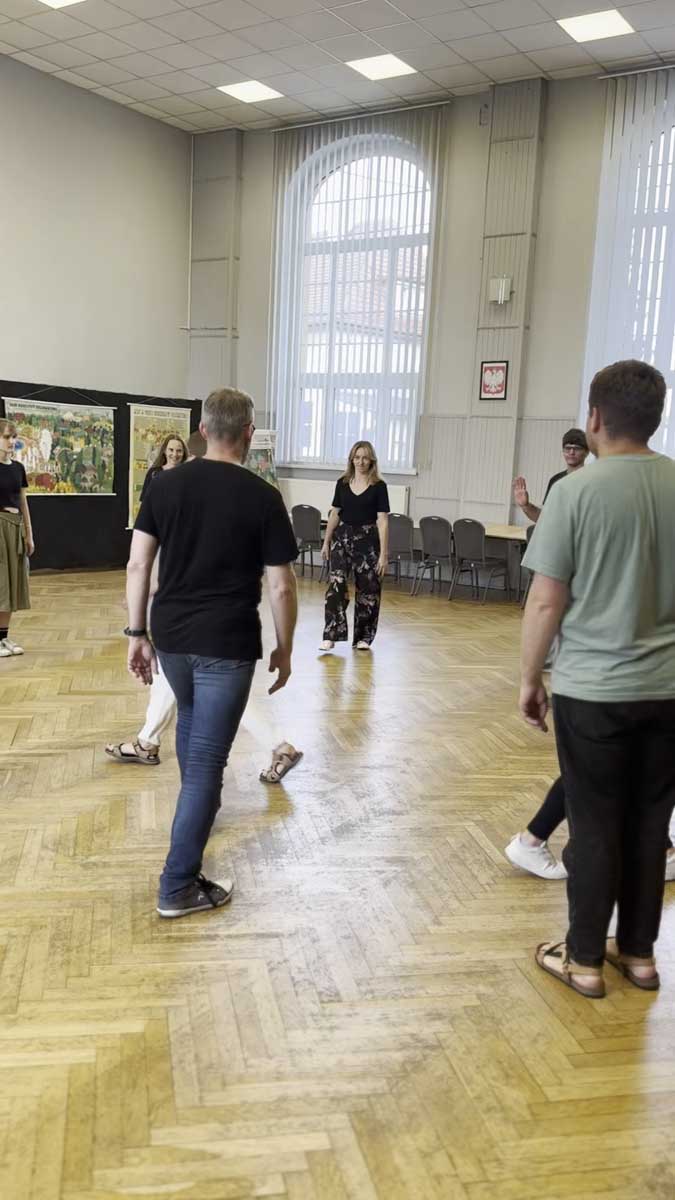
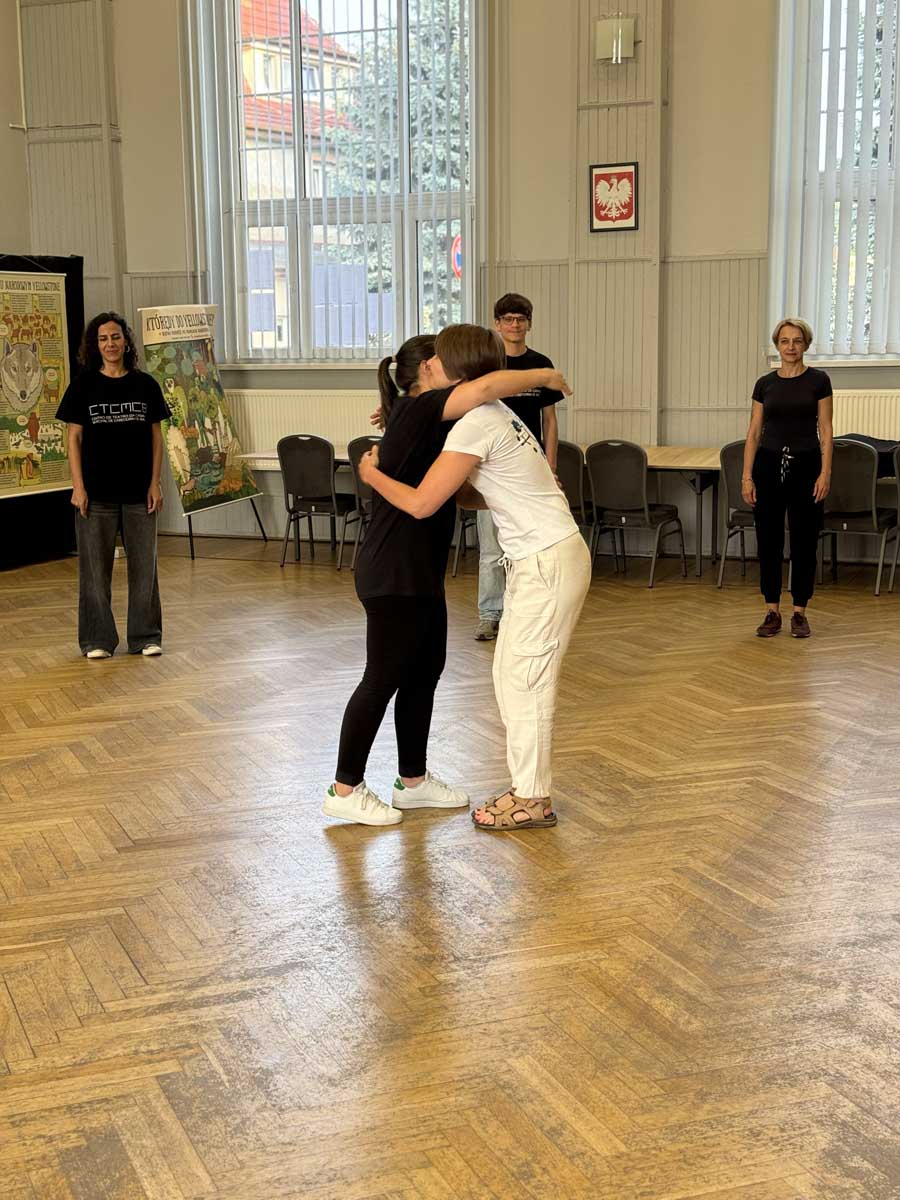
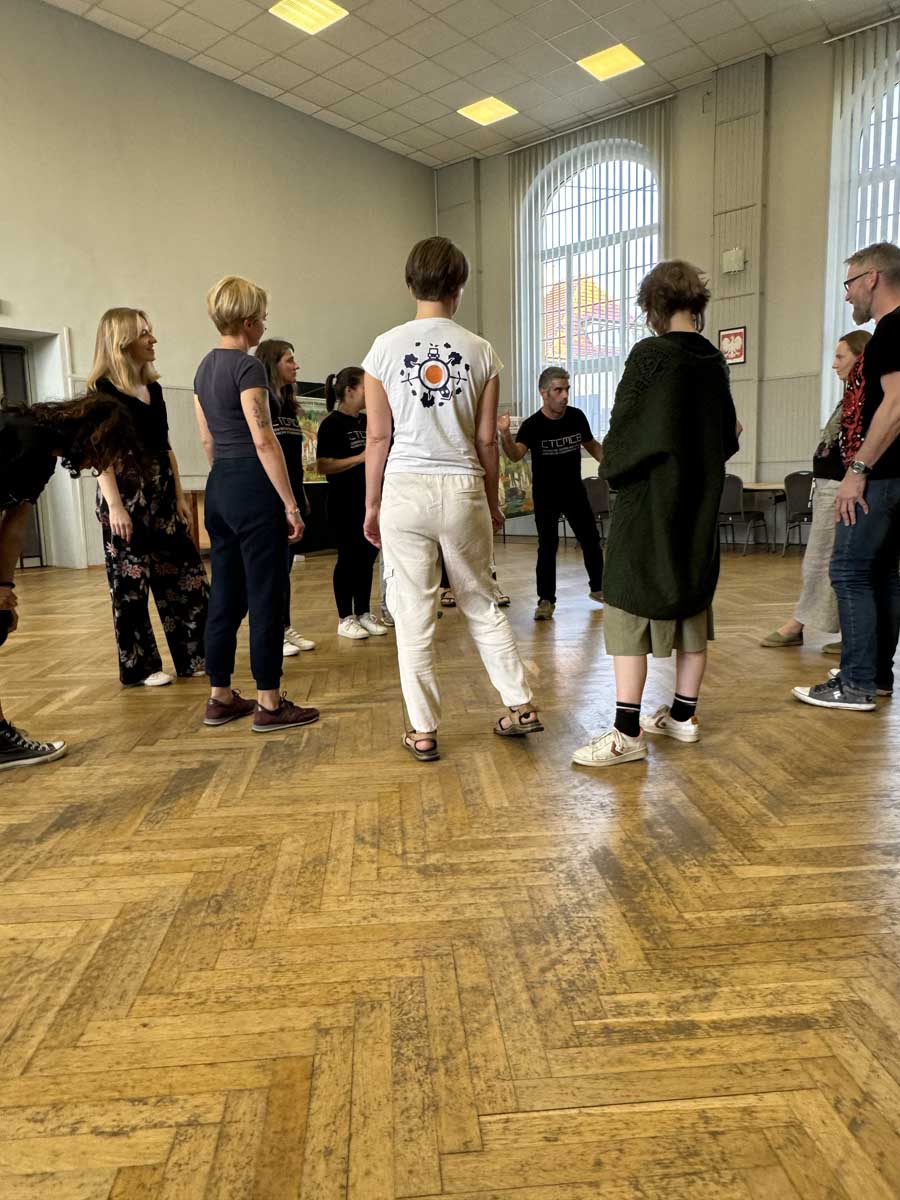
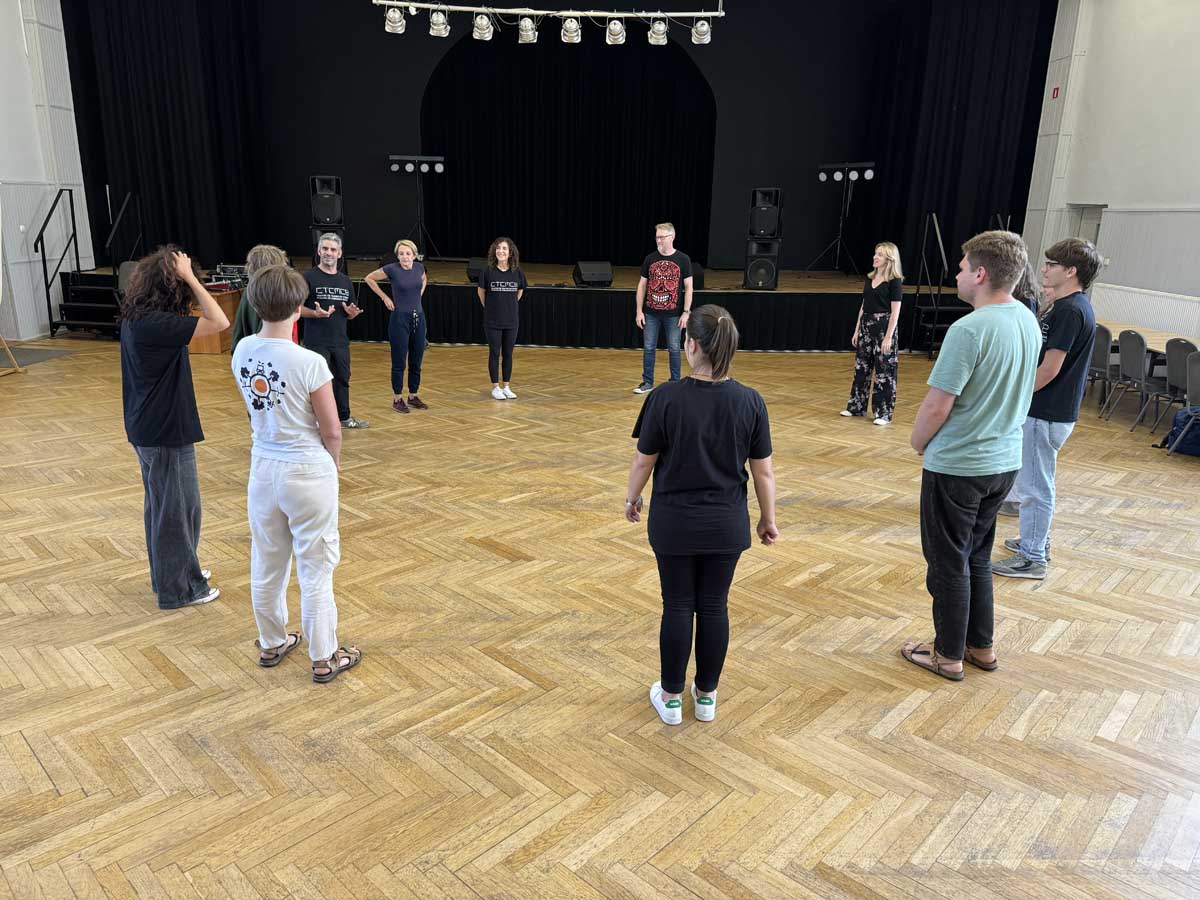
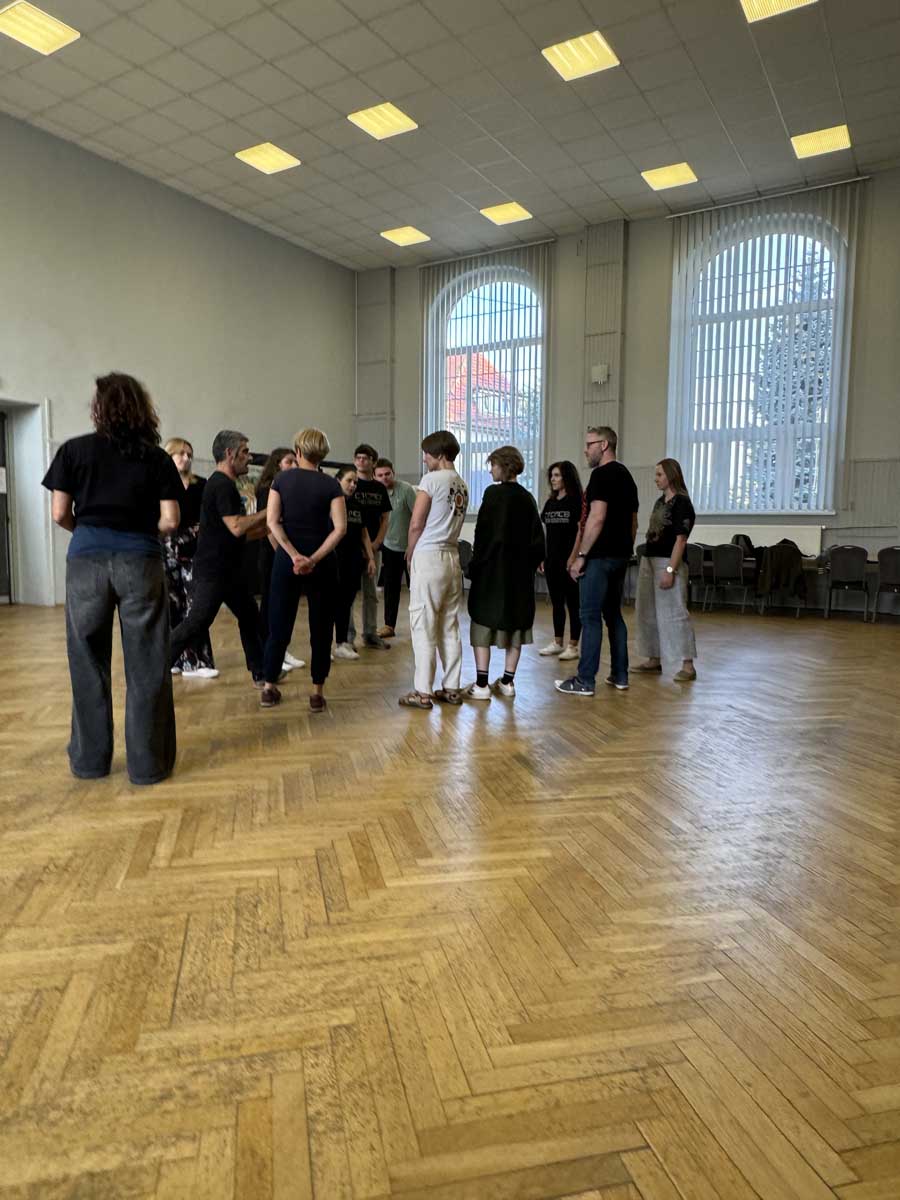
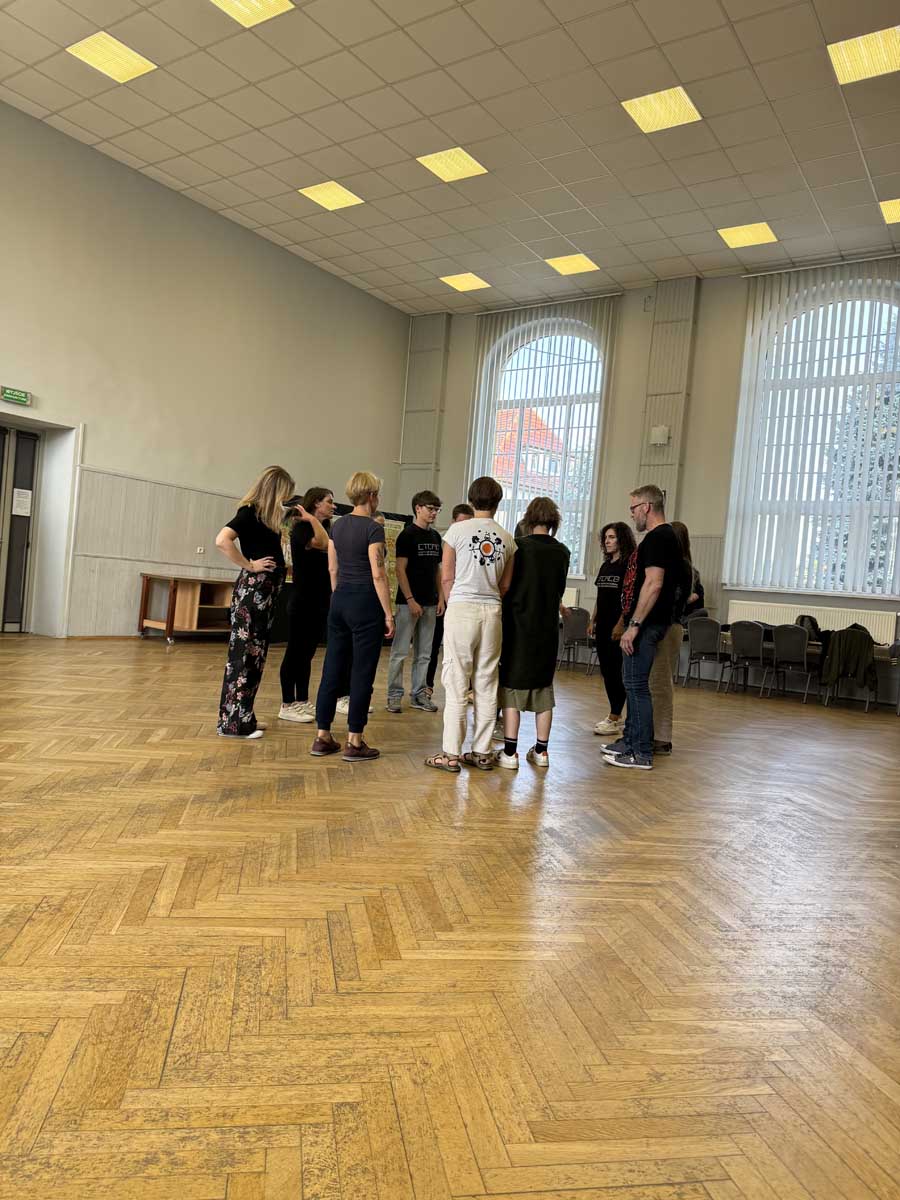
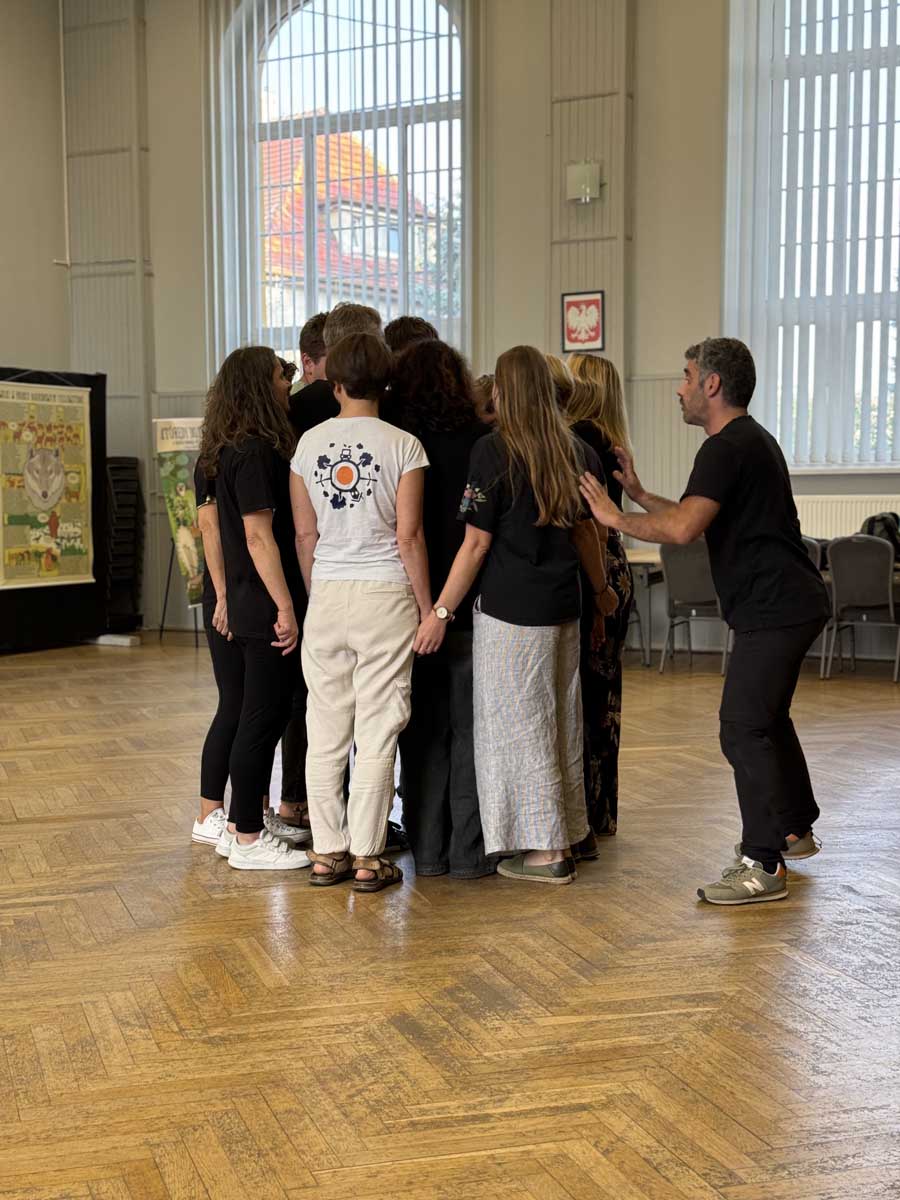
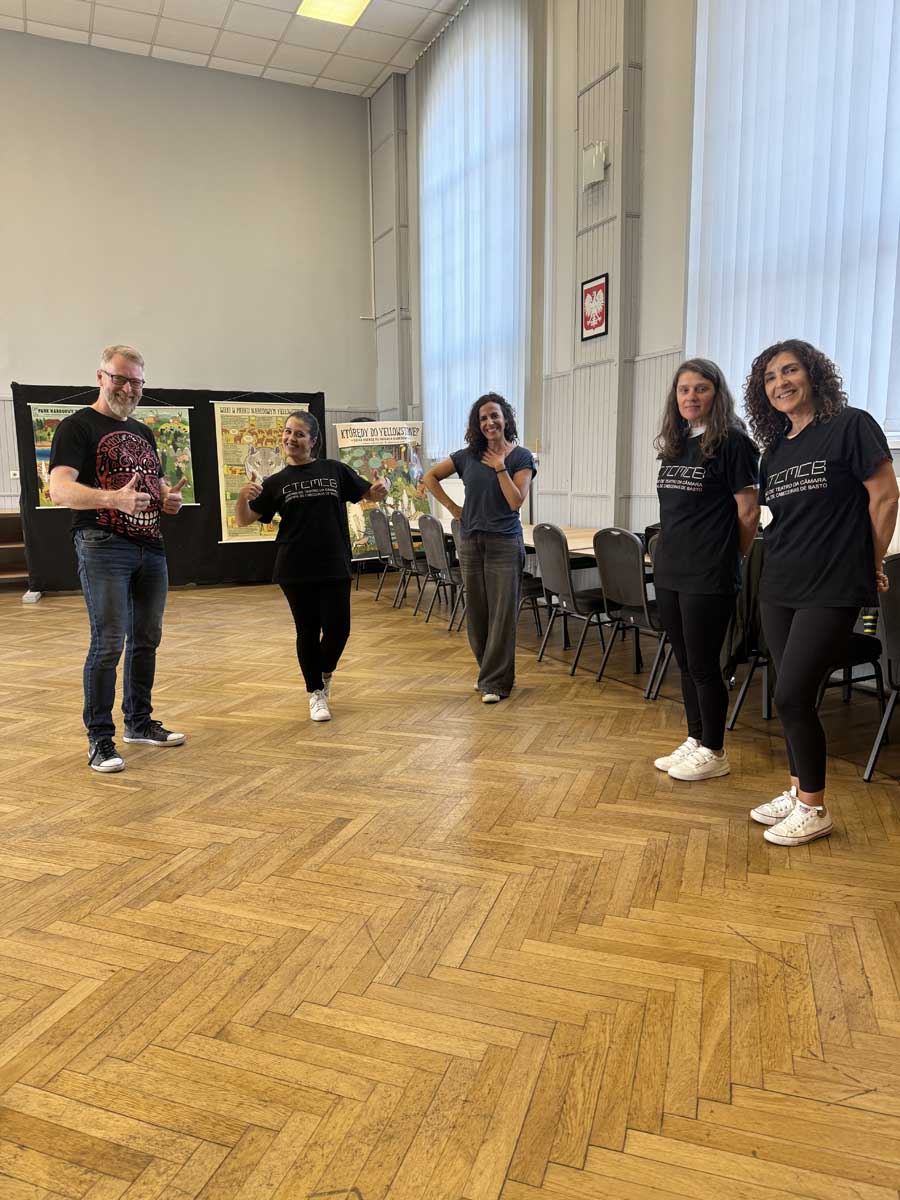
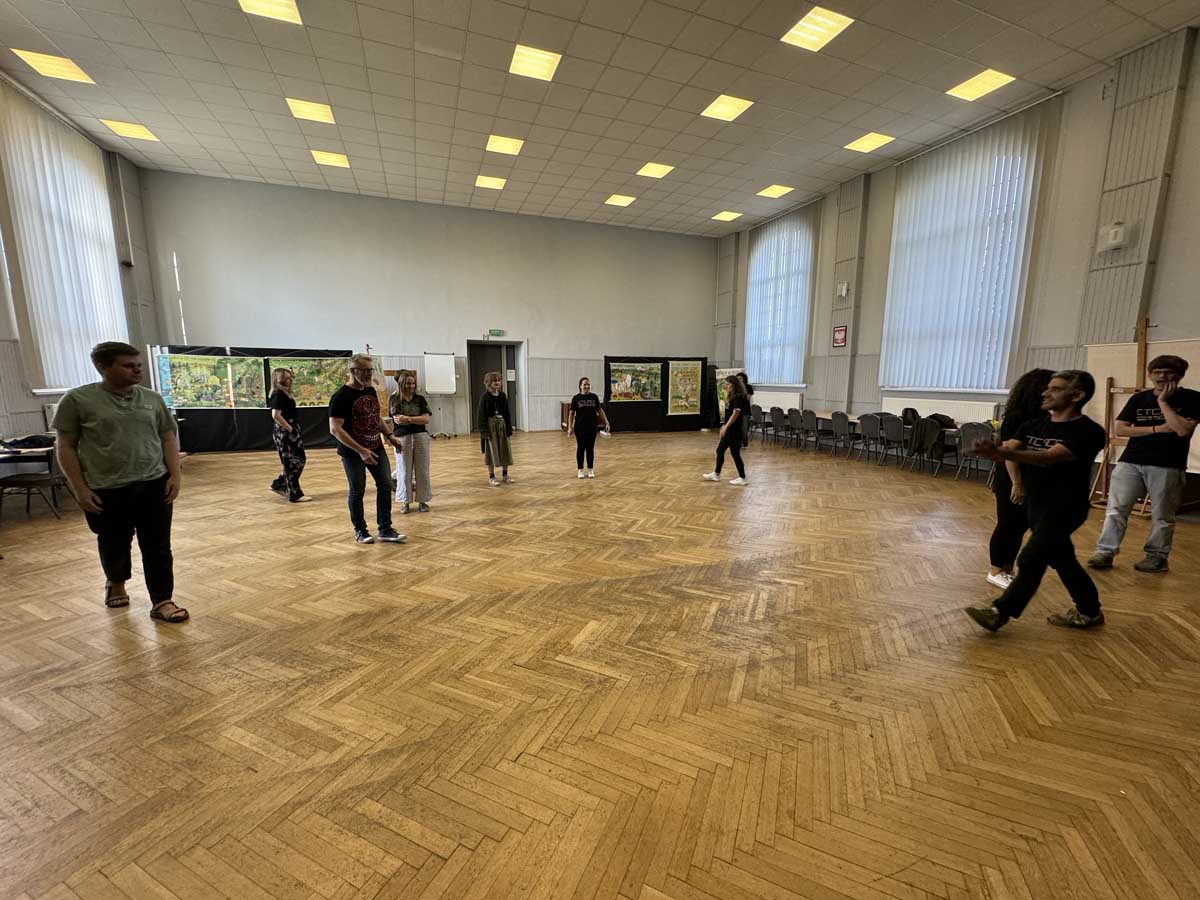
Altogether, during four sessions we did 40 workshops and 4 performances- yes, it was a bit of the marathon, but it was worth it.
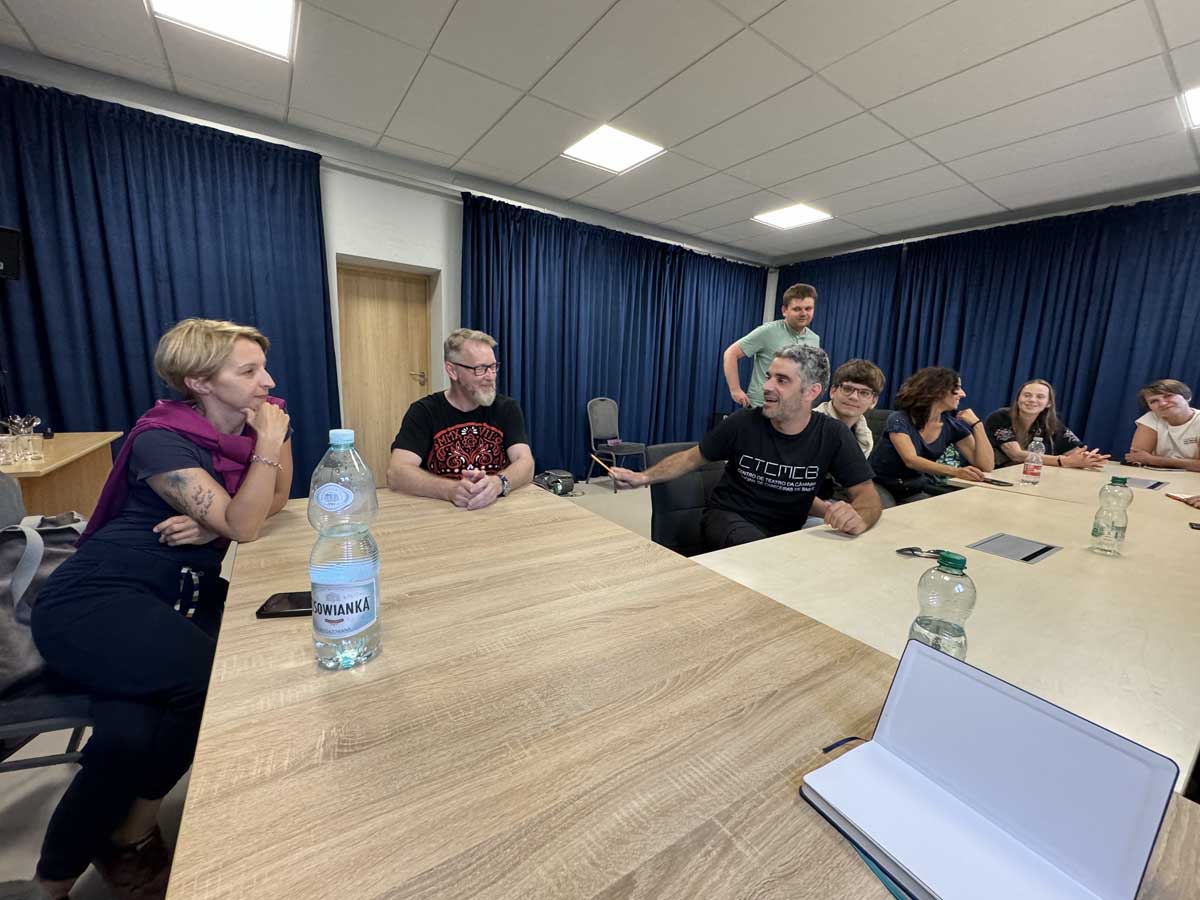
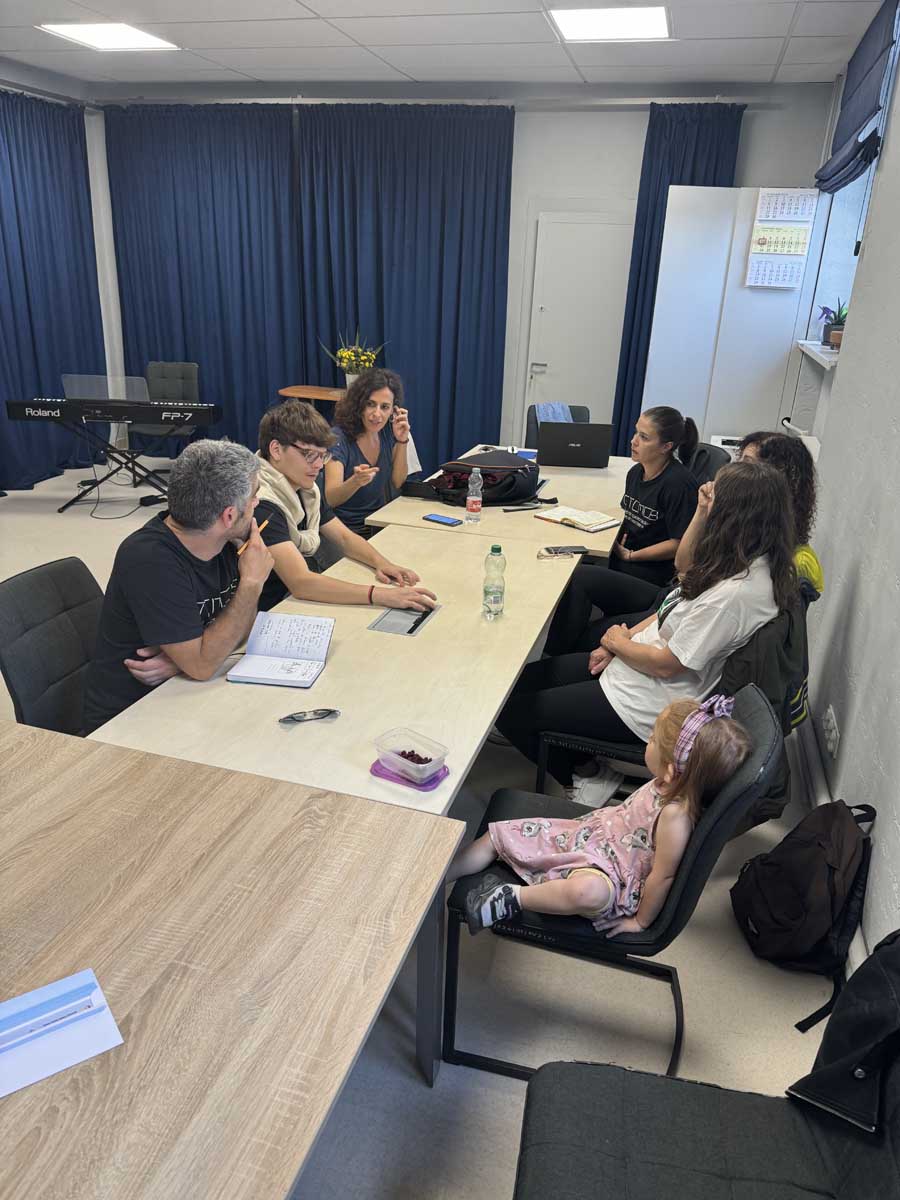
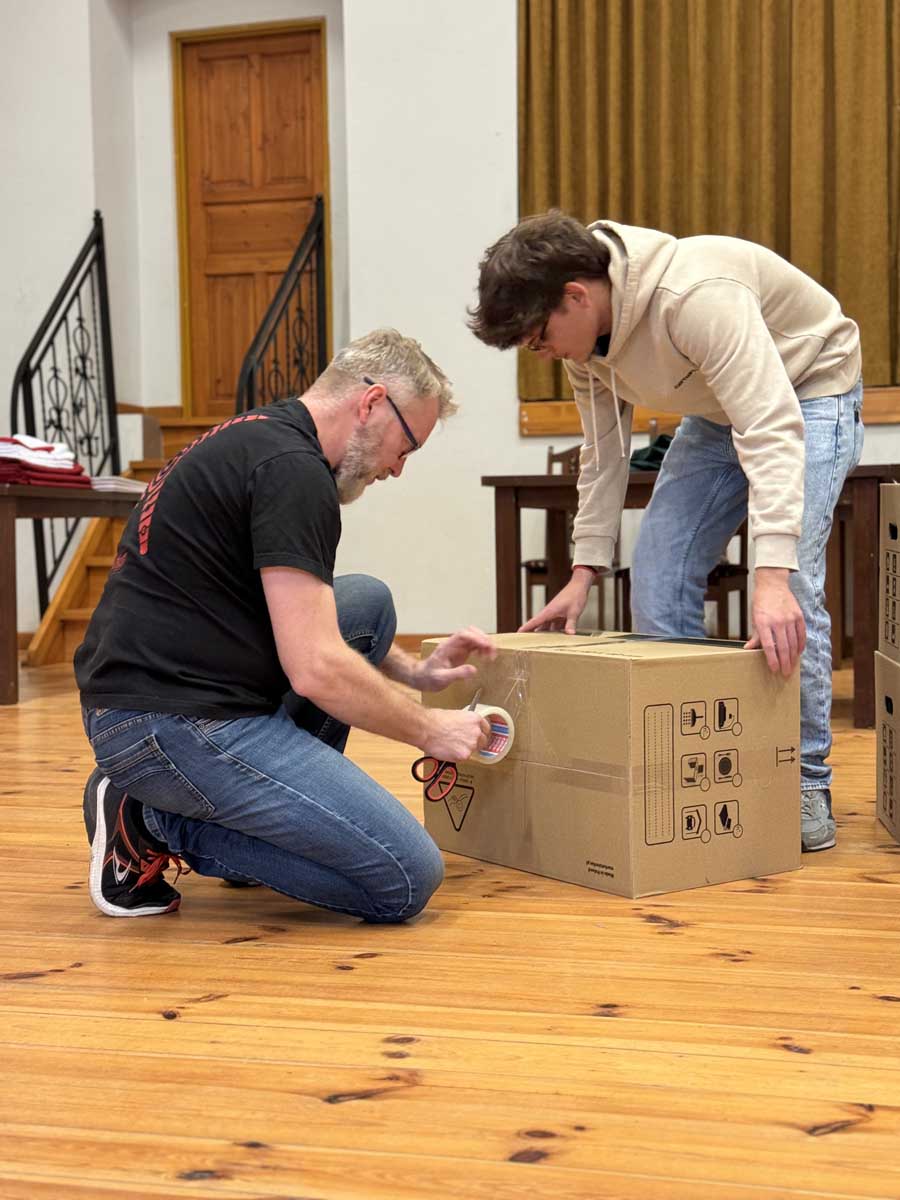
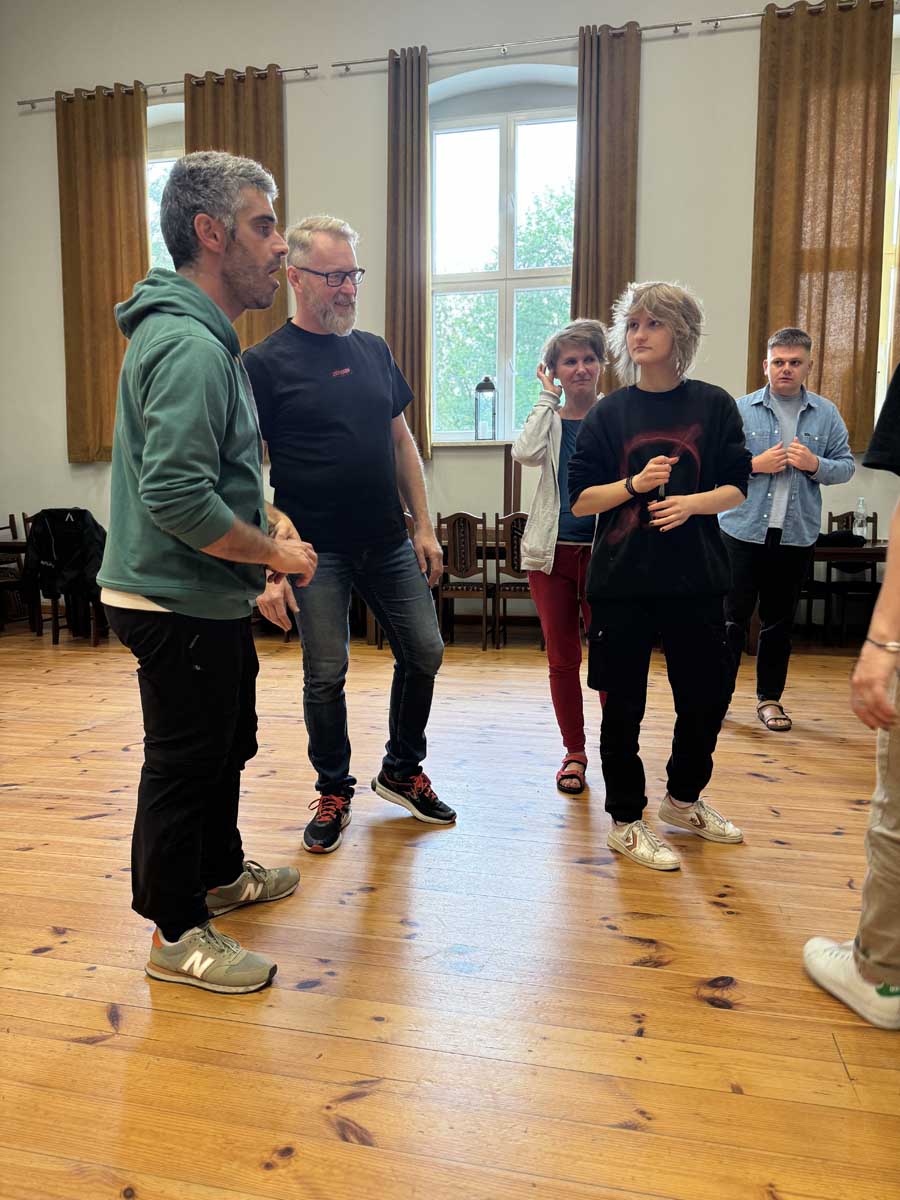
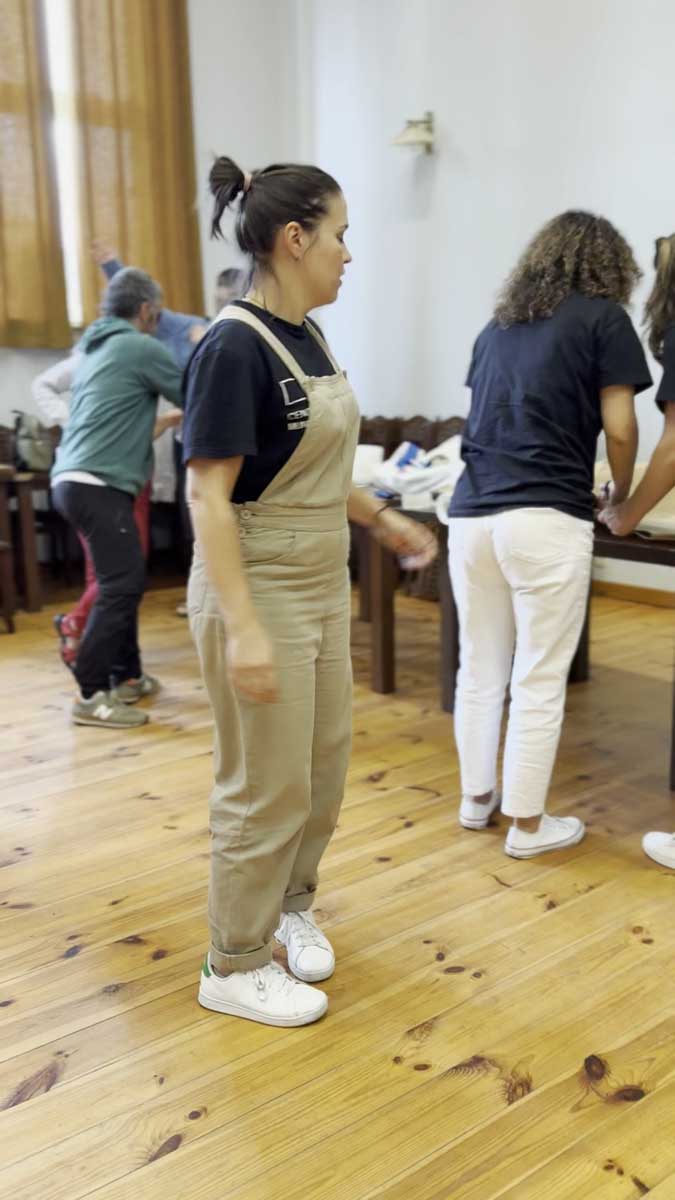
The project was built on strong personal engagement and commitment from its participants. Throughout the workshops and artistic activities, participants worked together intensively, often dedicating their free time, evenings and weekends, and in many cases even taking leave from their regular jobs in order to be able to take part. This level of involvement created a strong sense of shared responsibility, trust and community, and significantly deepened the learning process.
In 2024, the first year of the project, both partner organisations directly experienced the consequences of climate change and natural disasters. Wildfires in Portugal and the flood in Nysa, Poland, forced a completely new perspective on environmental issues — even among those who had previously been sceptical about European green policies. These events made the challenges tangible and personal, moving the discussion beyond abstract ideas and into lived experience. More and more participants came to understand how essential environmental protection is for everyday life, local communities and future generations.
Participants from Portugal expressed a deep pride in their small homeland, especially in the beautiful Douro valleys, which are not only a place of life and work but also an essential part of their cultural identity. The same strong attachment to place can be observed within the Polish organisation and its local environment. This emotional connection to one’s surroundings became a powerful motivation to act responsibly and sustainably.
The engagement of audiences during the performances further confirmed the relevance of the project’s message. Viewers openly expressed their agreement with the project’s ideas and values, often sharing reflections similar to those of the participants: what can we do — it is only a drop in the ocean, but the ocean is made of drops. The project emphasised that meaningful change begins with small, everyday choices: using glass bottles instead of plastic ones, choosing digital communication over printing, reducing food waste, sourcing food through short supply chains — preferably from local producers — and, above all, developing a strong conviction that caring for the environment is our shared responsibility. We have only one planet, and we must protect it with all our efforts.
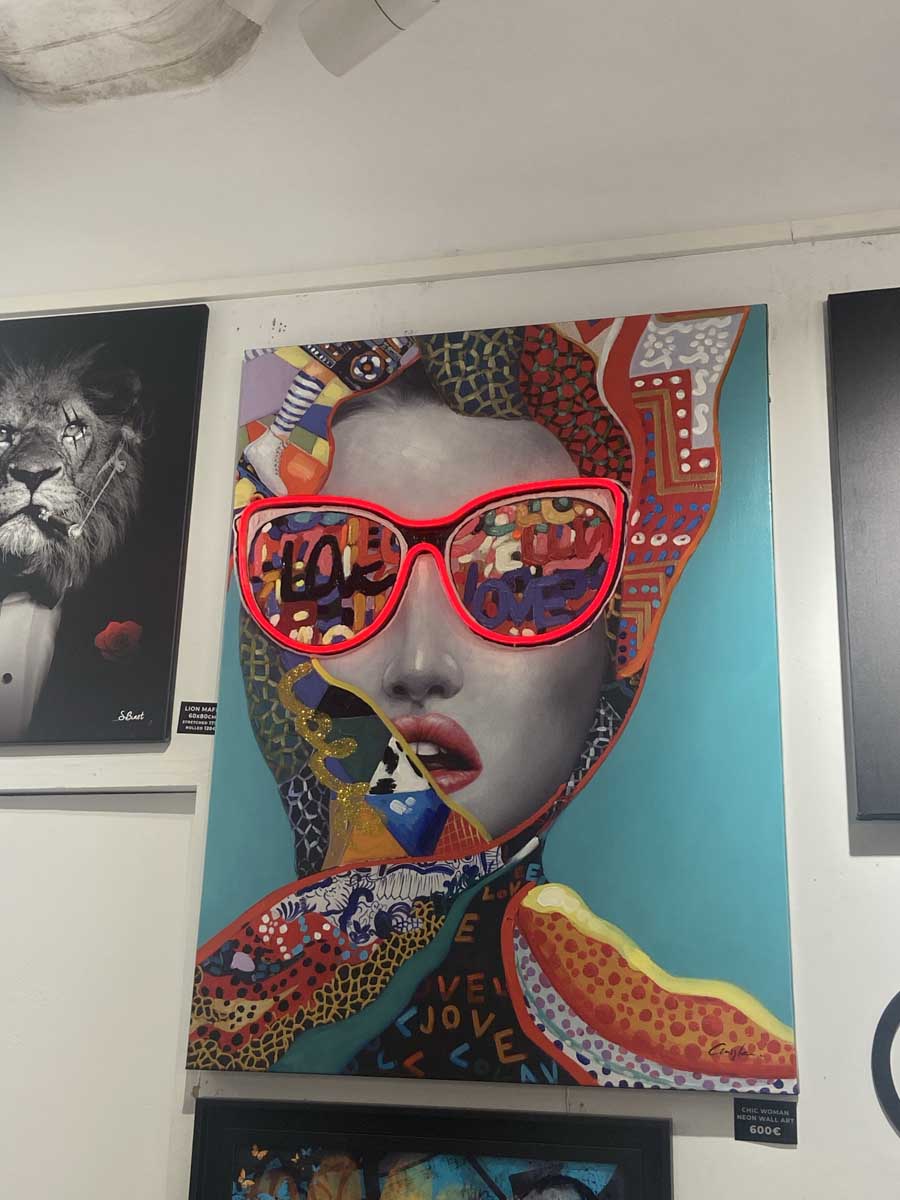
These reflections directly influenced the fields in which the partners work — artistic and educational activities. The project challenged the common belief that beautiful scenography must be expensive or that the size of a budget defines the quality of an artistic endeavour. Instead, participants learned through practice that creativity, responsibility and collaboration can lead to powerful artistic results using simple, reused and locally available materials.
In conclusion, the project demonstrated that sustainability is not an abstract concept but a practical, everyday process. Through shared work, experimentation and reflection, participants developed concrete skills, habits and attitudes that can be applied beyond the project itself. The Green Arts experience became a collective learning journey, proving that working together — step by step, choice by choice — can lead to real and lasting change.




Leave a Reply to Ana Ribeiro Cancel reply